
From the Illusion of Abundance to Water Security: Why Water is Now a Strategic Issue for Canada and the World
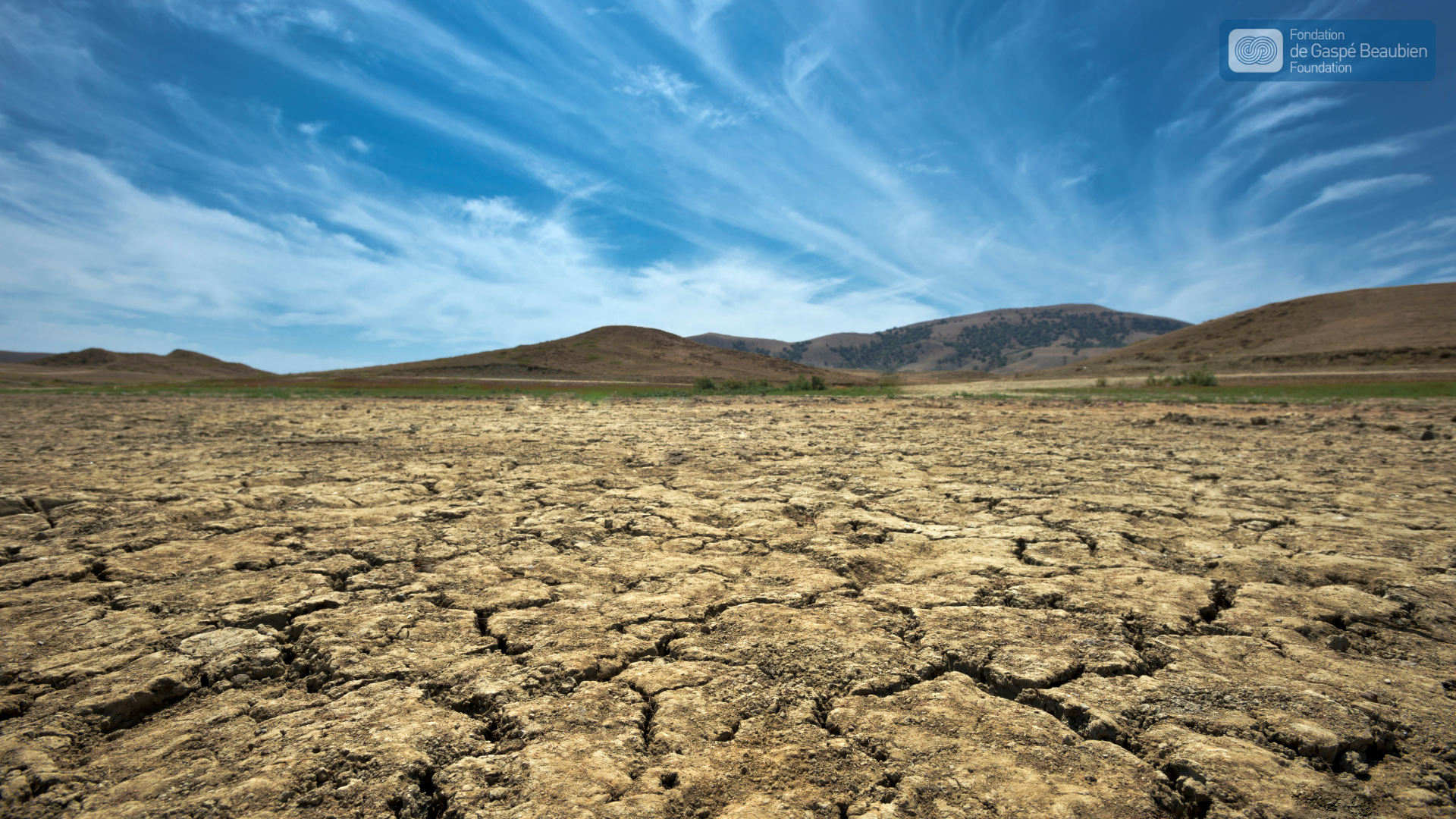
It is often repeated that Canada holds “nearly 20% of the world’s freshwater.” But much of this water is non-renewable, difficult to access, or unfit for use, and the majority of annual flows run north, far from populated areas. The result: abundance is an illusion that can undermine our economy, our security, and our international position if we do not change our stance: from perceived abundance to proactive protection. [canada.ca], [watergover…olt.ubc.ca]
1. The Illusion of Abundance: Understanding the “20%”… and Its Limits
Yes, a significant portion of the world’s freshwater stock is “locked up” in our lakes, but this figure does not reflect the water usable each year (the renewable flows), which is significantly lower (≈ 6.5% of the global total), and very unevenly distributed across time and space. Furthermore, about 60% of Canada’s renewable water flows toward the Arctic and Hudson Bay, far from the densely populated southern belt; this is one of the reasons why the myth of “infinite” water in Canada misleads our public and private decisions. [canada.ca], [watergover…olt.ubc.ca]
This reality is set within a concerning global context. According to the new flagship report from the United Nations University (UNU-INWEH), the planet is entering an era of “global water bankruptcy”: basins and aquifers are losing the capacity to return to a “normal state” after shocks, as water is being withdrawn and polluted beyond the thresholds that natural systems can replenish at reasonable costs. [unu.edu], [news.un.org]
2. From “Crisis” to “Bankruptcy”: What the UN Diagnosis Changes
The nuance is essential: speaking of “water bankruptcy” means that, in many places, it is no longer about temporary scarcity episodes, but about structural deficits, sometimes irreversible (compacted aquifers, degraded soils and wetlands, declining lakes). Half of the world’s major lakes have lost water since the 1990s, and about 70% of major aquifers show a long-term decline, trends that have cascading impacts on food, employment, migration, and geopolitical stability. [cbsnews.com], [phys.org]
In light of this observation, UNU-INWEH calls for a reset: moving from reactive crisis management to “bankruptcy management”, transparent water accounting, enforceable caps, protection of natural capital (wetlands, soils, aquifers), and equitable transitions that protect vulnerable communities. [unu.edu]
3. Water and Geopolitics: When Scarcity Exacerbates Tensions and Violence
Water security has become an economic and security issue. Data from the Pacific Institute show a marked rise in water-related violence (water as cause, target, or weapon): 420 events in 2024, an increase of +20% compared to 2023 and +78% compared to 2022, with numerous attacks against water infrastructure. This signal confirms that water is being instrumentalized in contemporary conflicts, with major humanitarian and political effects. [pacinst.org], [waterdiplomat.org]
Globally, indicators from the Sustainable Development Goals (SDG 6) show a stagnation of global water stress around 18–19%, but this average masks regional hotspots (North Africa, West Asia, Central Asia) and increasing risks when agriculture (≈ 72% of withdrawals) encounters more intense droughts and declining water tables. [unwater.org], [fao.org]
4. Why Canada is Directly Concerned
For Canada, “water bankruptcy” is not a distant concept. On the one hand, our renewable resources (≈ 6.5% of the global total) are under pressure: urban growth, industrialization, agriculture, pollution, and increased climate variability. On the other hand, our geography means that “useful” water is not where the population lives, and regional availability varies greatly. Confusing stock and flow weakens water planning and investment. [canada.ca], [watergover…olt.ubc.ca]
Furthermore, we are interdependent on transboundary systems (e.g., Great Lakes) and agricultural markets that amplify water shocks globally. When exporting regions see water scarcity increase, prices, supply chains, and stability are affected, even far from stressed basins. [unu.edu]
5. Changing Our Stance: From Abundance to Strategic Protection
Moving from a stance of perceived abundance to one of strategic protection involves concrete choices:
- Count Water as a Critical Asset
Implement credible water accounting (balance of inflows/outflows, aquifer levels, environmental needs) to set usage thresholds aligned with the reality of the basins—including where the historical baseline has become unattainable. [unu.edu] - Protect the Natural Capital that “Makes” Water
Restore wetlands, agricultural wetlands, soils, glaciers, and riparian corridors that buffer floods/droughts and recharge water tables. These ecosystems are our water “savings account”; their degradation locks in irreversible losses. [news.un.org], [phys.org] - Deploy Innovation at Scale
Accelerate efficiency (agriculture, industry, buildings), reuse, and digitization (leak detection, sensors, digital twins), to decouple growth from withdrawals and absorb climate variability. UN SDG analyses confirm that gaining efficiency is central to reducing stress. [fao.org], [sdg6data.org] - Secure Water Infrastructure
Protect drinking water networks, treatment plants, dams, and control systems against physical and cyber-attacks—a vulnerability on the rise according to the Pacific Institute. [pacinst.org] - Governance and Equity
Usage caps and reallocations require transparency, mediation, and equity measures (support for farmers, Indigenous communities, vulnerable households) to prevent adjustment from widening inequalities. [unu.edu], [news.un.org]
6. A Role to Play: Canadian Leadership and Global Resilience
Canada has unique assets: world-class freshwater ecosystems, scientific capacity (universities, research centers), growing water technology companies, and cooperation platforms (e.g., Great Lakes, transboundary basins). By mobilizing these strengths, we can strengthen our water security and contribute to global resilience through:
- International deployment of Canadian innovations (monitoring, treatment, reuse, agricultural efficiency);
- Creation of public-private-philanthropy coalitions to accelerate the adoption of these solutions here and elsewhere;
- Water diplomacy, which makes shared management a platform for cooperation and crisis prevention—a point highlighted by UNU-INWEH. [unu.edu]
7. Why Talk About Geopolitics?
Because water structures power: food security, energy, industry, social cohesion, and state stability depend directly on it. When water systems cross thresholds of insolvency and irreversibility, tensions rise—conflicts over use, transboundary pressures, migration, violence targeting infrastructure. The recent surge in water-related violence documented by the Pacific Institute illustrates this direct link between water stress and instability. Prevention means protecting, governing, and investing in water before losses become irreparable. [pacinst.org], [news.un.org]
8. Call to Action
AquaAction and the Canadian water technology ecosystem demonstrate that it is possible to transform a systemic risk into an opportunity for innovation, jobs, and resilience—in Canada and internationally. In the short term, Canada must launch three priority initiatives:
- Scale up water efficiency (agriculture, industry, municipal) through targeted investment and adoption programs.
- Strengthen security and governance of water infrastructure (physical and cyber), with joint standards and exercises.
- Fund the protection of natural capital (wetlands, aquifer recharge, nature-based solutions) as strategic infrastructure.
Conclusion
In a world where water is becoming a factor of systemic vulnerability, the priority is clear: protect, govern, and use this resource with rigor and foresight. By acting today, Canada can strengthen its national security, its economic position, and contribute to stability and water resilience globally.
Quick References
- UNU-INWEH (UN): Global Water Bankruptcy — diagnosis and action framework (“bankruptcy” management, natural capital, equity). [unu.edu], [news.un.org]
- Pacific Institute: rise in water-related violence (water as cause, target, or weapon) and infrastructure vulnerability. [pacinst.org]
- Canada: distinction stock vs. flow (≈ 20% vs. ≈ 6.5%), accessibility, and regional gradients; questioning the myth of abundance. [canada.ca], [watergover…olt.ubc.ca]
- SDG 6 / FAO / UN-Water: monitoring of water stress, role of efficiency and ecosystems in risk reduction. [unwater.org], [fao.org]