The Consequences of Water Pollution: Understanding in Order to Act
By smartbugmedia,
Nouvel article : Conséquences de la pollution de l’eau : comprendre pour agir

To properly understand the consequences of water pollution, you need to know about the different types of pollution that are threatening our water sources. In this article, we will explore the various forms of water pollution and their repercussions on our health, environment, and future. You will understand our motivations and why it is crucial to act in a responsible way in order to preserve our water.

1. Main Sources of Water Pollution

1.1. Organic Waste

Organic pollution is among the most common. It comes from household, vegetal, and animal waste, as well as excrement. This waste contains bacteria and viruses that can cause microbiological pollution, which represents a risk for our public health. Organic pollution is in fact caused when this organic waste is dissolved into our water, whether its provenance is natural or not.

1.2. PFAS

PFAS refer to per- and polyfluoroalkyl substances. These are synthetic chemicals that have been used for decades for several industrial and commercial applications (ex: waterproofing products, stain-fighting products, anti-adhesive products, food packaging, etc.). The big problem with PFAS is that they break down very slowly after use. These contaminants therefore remain in the environment for a very long time. They have even been known to be called “eternal chemicals”.

While drinking water is not the main source of exposure to PFAS, this fact remains concerning. Although PFAS has been a subject of study for years in Quebec and Canada, there is still little data and knowledge on the subject. In April 2023, Health Canada set the objective of reducing the population’s exposure to PFAS through drinking water.

  • Ecofilter Tek, an AquaEntrepreneur Québec participant, is at the avant-garde of developing a specialized membrane technology adapted to various industries that has the unique capacity of selectively capturing the PFAS molecules, allowing the clean water to pass through with unequaled efficiency.

1.3. Medications

Pharmaceutical products cause colorless, odorless, but still important and omnipresent pollution in the water. Recent studies have shown that many lakes and rivers worldwide contain medical substances at a higher level than what is considered safe for humans and aquatic organisms.

How does medication end up in the water? The answer is simple: it is ingested by people, partially metabolised, and the rest is eliminated in wastewater. Some people also dispose of their medications in the toilet.

1.4. Microplastics
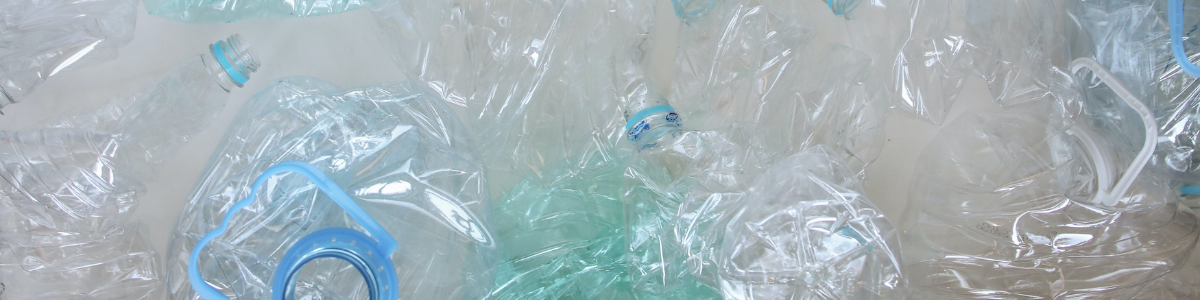
Le plastique et le microplastique ont de graves conséquences de la pollution de l'eau.

Microplastics are small pieces of plastic of less than 5 millimeters. They are too small to be extracted by traditional filtration systems. Because of this, they make their way into our lakes, rivers, and oceans. Cutting-edge technologies are needed to detect these microplastics that come from the decomposition of larger plastic waste or other commonly consumed products.

  • With their MPConnect product, AbbaTek wants to rationalize and simplify the analysis of microplastics. To do so, this young enterprise uses automated learning and data science to automate the identification, characterization, and measurement of microplastic particles.

1.5. Lead

Lead is a metal that is naturally present in the environment, whether it be in the soil, the air, or even our food. In Canada, lead is not normally found in natural water sources or treated water. It is through our plumbing systems and distribution networks that lead can make its way into our drinking water. This is especially the case in old houses because, up until 1975, The National Plumbing Code of Canada considered lead to be an acceptable metal to use in the conduits.

We now know that consuming water containing lead can constitute a health risk, especially for children.

1.6. Agriculture

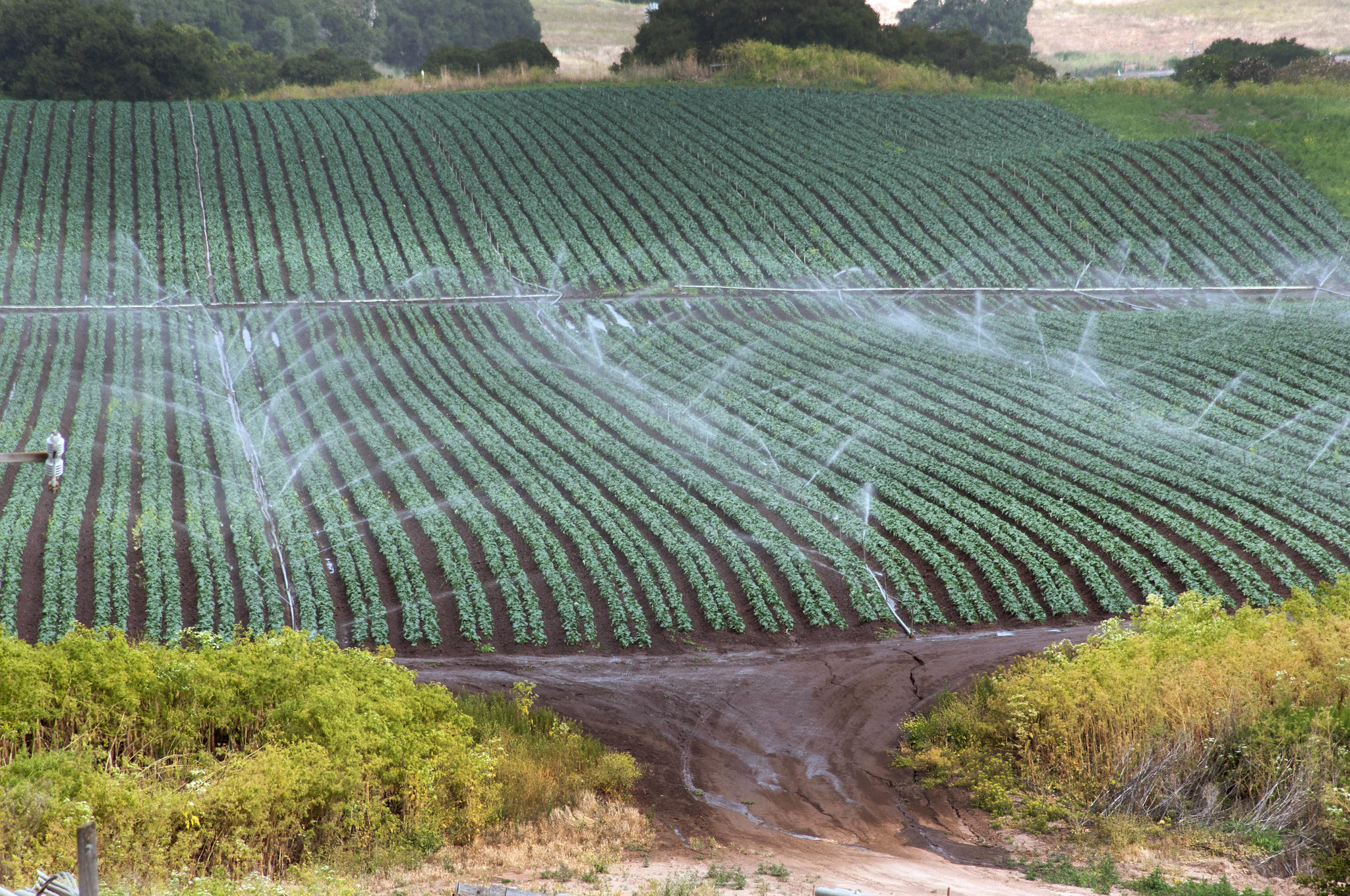
Field crops and livestock farming are sources of chemical pollution. The fertilizers, pesticides, herbicides, veterinary medications, and other substances end up in surface or groundwater, namely because of excessive manure spreading. This chemical pollution drives the proliferation of algae and bacteria causing a lack of oxygenation, a phenomenon known as eutrophication.

  • Typha.co has been working on Lake Winnipeg’s eutrophication problem since the 2020 AquaHacking Challenge. The enterprise extracts cattail fibres that contribute to the eutrophication of the lake. Sustainable harvesting allows them to capture the phosphorus and nitrogen before the plants decompose and reject these nutrients into the water. The fibres collected are used to make gardening mulch, soilless potting mix, and biodegradable flower pots.

2. Main Consequences of Water Pollution

2.1. Disease

Consuming contaminated water can lead to serious health problems such as diarrhea, Cholera, Hepatitis A, Legionella, Dysentery, and in some cases, even death. The World Health Organization estimates that around 485,000 deaths each year can be attributed to diarrheal diseases caused by the microbiological contamination of our drinking water. This goes to show just how important it is to protect this vital resource.

The Ministère de l’Environnement, de la Lutte contre les changements climatiques, de la Faune et des Parcs clearly explains it: “The direct consequence of the microbiological contamination of our surface water is the risk to the health of swimmers and other aquatic activity enthusiasts who are exposing themselves to eye, ear, and skin infections, as well as gastrointestinal issues. à la peau et à des troubles gastro-intestinaux. »

  • Water Rangers, an AquaEntrepreneur participant, allows citizens to collect data on the quality of the water and post open data with the help of their platform so that everyone can contribute to the surveillance and management of our water sources.

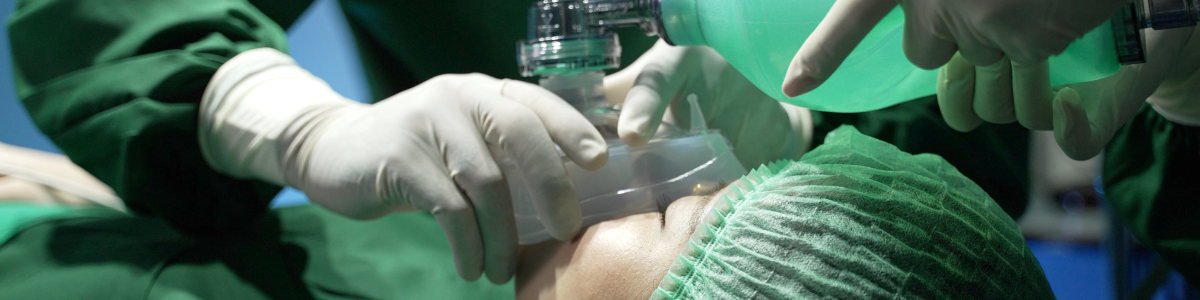
La pollution de l'eau a des conséquences sur la santé.

2.2. Other Impacts on our Health

Lead in water can constitute a serious health risk, particularly in children, whose developing systems are particularly vulnerable. It can have devastating consequences on their neurological and behavioural development (ex: lowering of I.Q.).

For adults, prolonged exposure to lead through drinking water can increase blood pressure and cause kidney disease. The long-term effects of this contamination are concerning, bringing to light the crucial need to constantly remain vigilant in terms of the quality of our water, as well as invest in the modernization of our infrastructures in order to guarantee safe drinking water for everyone.

  • The detection of pathogenic bacteria is an important tool to prevent the spreading of diseases. BioAlert, another AquaEntrepreneur Québec participant, has invented a new fast and automated testing technology that allows us to obtain lab-quality results directly on site, creating a better management of health and safety, as well as operational costs.

2.3. Impact on our Ecosystems

Toxic substances and chemical pollutants impact the balance of our lakes, rivers, and oceans, degrading aquatic species’ natural habitats. This is seen by a loss of biodiversity, the proliferation of harmful algae, and changes in the food chain. Aquatic ecosystems, essential to the survival of many species, are seriously threatened by water pollution, highlighting the critical importance of preserving this precious resource.

  • Clean Catch invented the first PVC-free soft fishing lure made from 100% biodegradable organic biopolymer. This innovation allows fishermen/women to practice their sport with peace of mind while contributing to the safety of the fish and aquatic life in general. These lures start to decompose into compost after 48 hours of immersion in water and dissolve completely within 6 months.

2.3. Animal Mortality

Water pollution increases the mortality rate of certain animal and vegetal species, sometimes even leading to their extinction. It also alters the physiological capacities of aquatic organisms and deteriorates the quality of the water, making it unsafe for certain uses, namely for human consumption. This threat to the aquatic flora and fauna endangers the balance between the aquatic ecosystems and highlights the urgency of protecting our water sources.
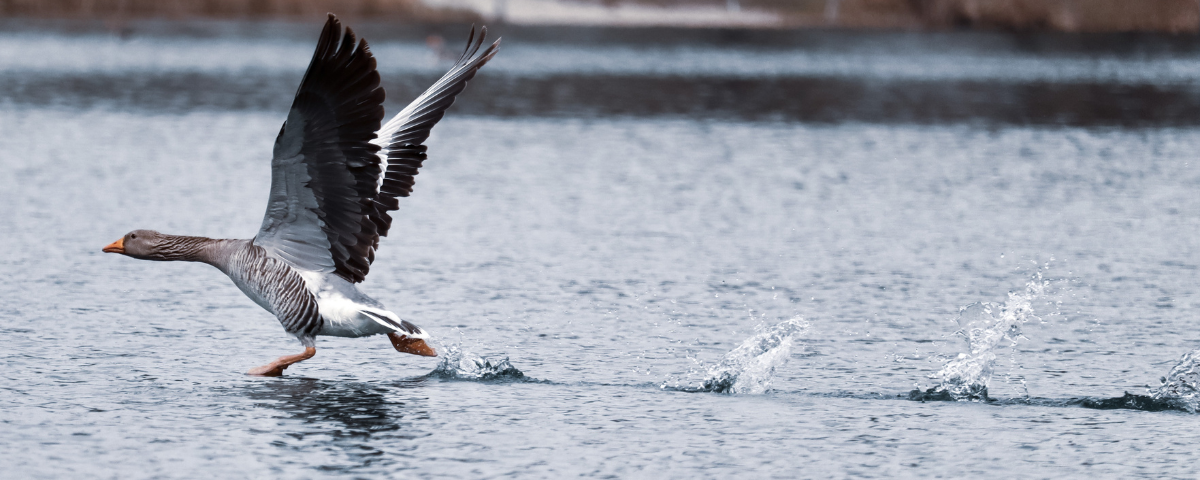
Les animaux souffrent des conséquences de la pollution de l'eau.

2.4. Accumulation of Microplastics in the Body

The microplastics present in our water eventually accumulate in our organism, causing concern over their effects on human health. Studies have shown the presence of microplastics in our lungs, liver, placenta, and blood. The long-term effects of this exposure are still to be determined, but are a growing source of concern for many experts and healthcare professionals

  • Hoola One has developed technological solutions to clean zones polluted by plastic that could not be cleaned before, such as beaches.

2.5. Abandonment of Riparian Zones

Water pollution causes the degradation and abandonment of many riparian zones, both in urban and rural areas. The insalubrity of certain rivers has driven many residents to leave these once sought-after areas in search of a better environment.

Unfortunately, over time, some of these zones have become waste disposal sites, places to stockpile various materials, and run-down neighbourhoods. The lack of investment into infrastructures and restoration has made these zones even less attractive to current or potential residents. “Dozens of beaches that provided free fun for everyone are now deserted because of the quality of the water. Swimming has always been a very popular activity, and the beach a wonderful place for socializing. The deterioration over the last several decades has imposed serious constraints to these family activities, or have at minimum forced us to find other locations in which to practice them.” says the MELCCFP

  • This is why CANN Forecast, the 2016 AquaHacking Challenge’s winner, created InfoBaignade. This predictive model allows us to reliably estimate the quality of the water using artificial intelligence, simplifying municipalities’ decisional process.

Let’s Limit and Reverse the Consequences of Water Pollution

It is crucial to act now for water preservation! Each one of us can contribute to limiting the consequences of water pollution by avoiding wasting water and adopting more eco-friendly practices. Protecting our water sources is a collective responsibility, and we must take preventive measures to preserve this precious resource for future generations. Donate to AquaAction to help find even more innovative solutions to the problems faced by our water. Let’s act now for a safer and healthier future!
Our Motivation and Expertise in Water Conservation

By smartbugmedia,
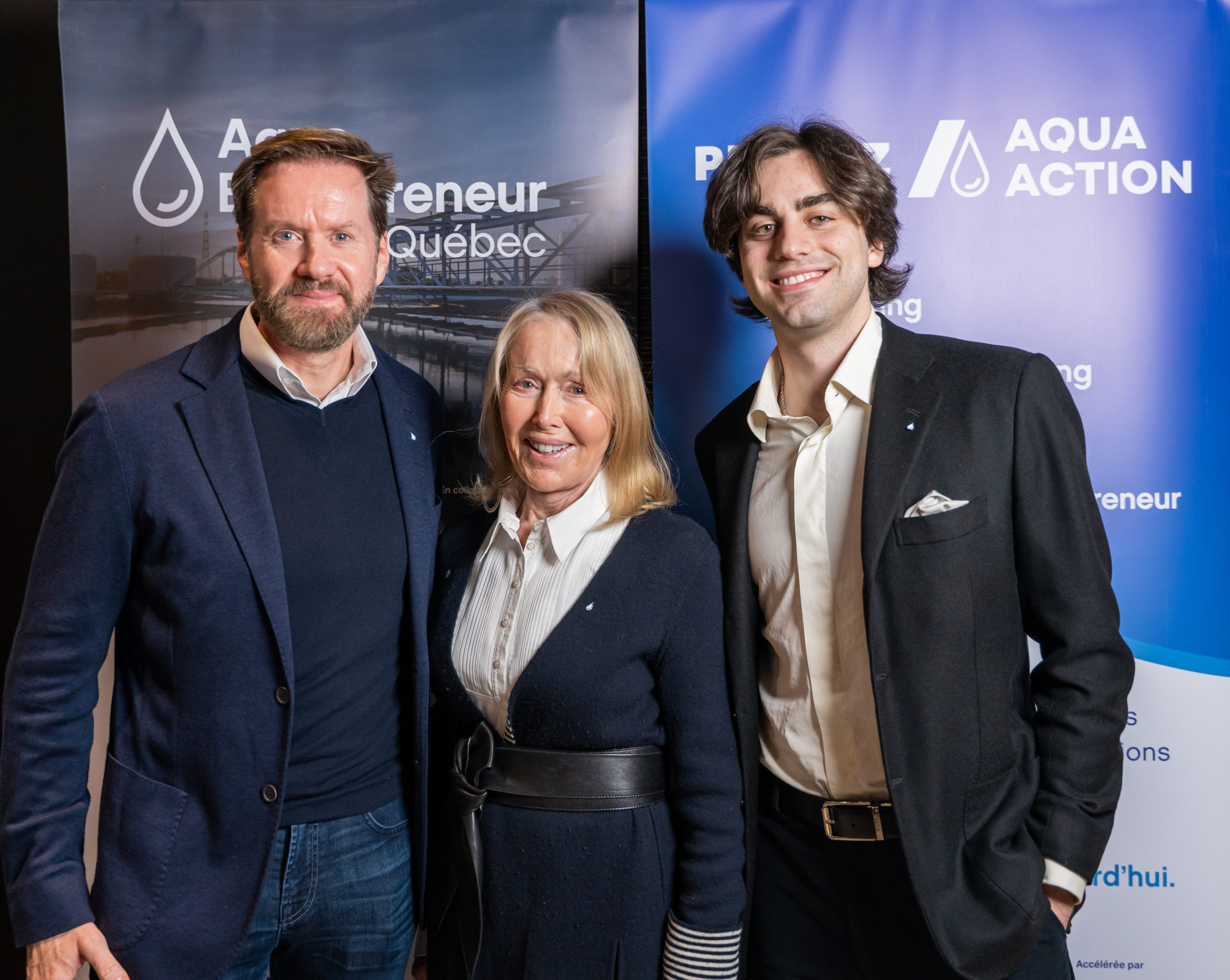
De gauche à droite : François de Gaspé Beaubien, Nan-b de Gaspé Beaubien, Louis-Alexandre de Gaspé Beaubien

Twelve years ago, when the de Gaspé Beaubien grandchildren first suggested that the Foundation take action on water conservation, Philippe and Nan-b were skeptical. After all, Canada is known for its plentiful water supply, so why should they bother? Nan-b explains: “At first, the notion seemed a bit outrageous. Yet after further investigation and research, we understood the urgent need to take action. We realized that our grandchildren were right: we better do something about the water situation!

A crisis years in the making

Thirty years ago, scientists and experts warned us about the looming danger of a water crisis and the effects of the climate crisis. Now, Canada and other countries are confronted with these pressing issues, seeing their impact on the environment with devastating storms, huge wildfires, and catastrophic flooding. Had we heeded their alerts earlier, perhaps we would have been better prepared to face today’s challenge. 

According to the United Nations, in the next 6 years, an estimated 40% of the global population will lack access to safe drinking water. This lack of resources means far more than just having something for your morning coffee – without access to fresh water, there will be massive migration due to populations’ inability to drink or feed themselves. It’s a catastrophic situation that none of us are prepared for or want to see occur, and one we must take proactive steps to address now!

Canada is no exception

Canada is home to 20% of the world’s fresh water reserve. However, this precious resource is not infinitely renewable; only 1% is renewed each year

Actions must be taken to preserve our planet’s most essential resource, conserving and revitalizing our freshwater supply. Yet, when it comes to water utilisation, Canada doesn’t have much to be proud of – Canadians water consumption is one of the highest in the world. (Habits have to change on every level; individual, regional, national, and societal.)

Given its unique situation, Canada has the opportunity to become a leader in water conservation – we can use our privileged position to ensure other nations have equitable access to clean water, as well as provide a more sustainable model for water conservation practices and a blue economy. From research to technology-driven practices, someone must become a leader in protecting this invaluable resource. Why not us?

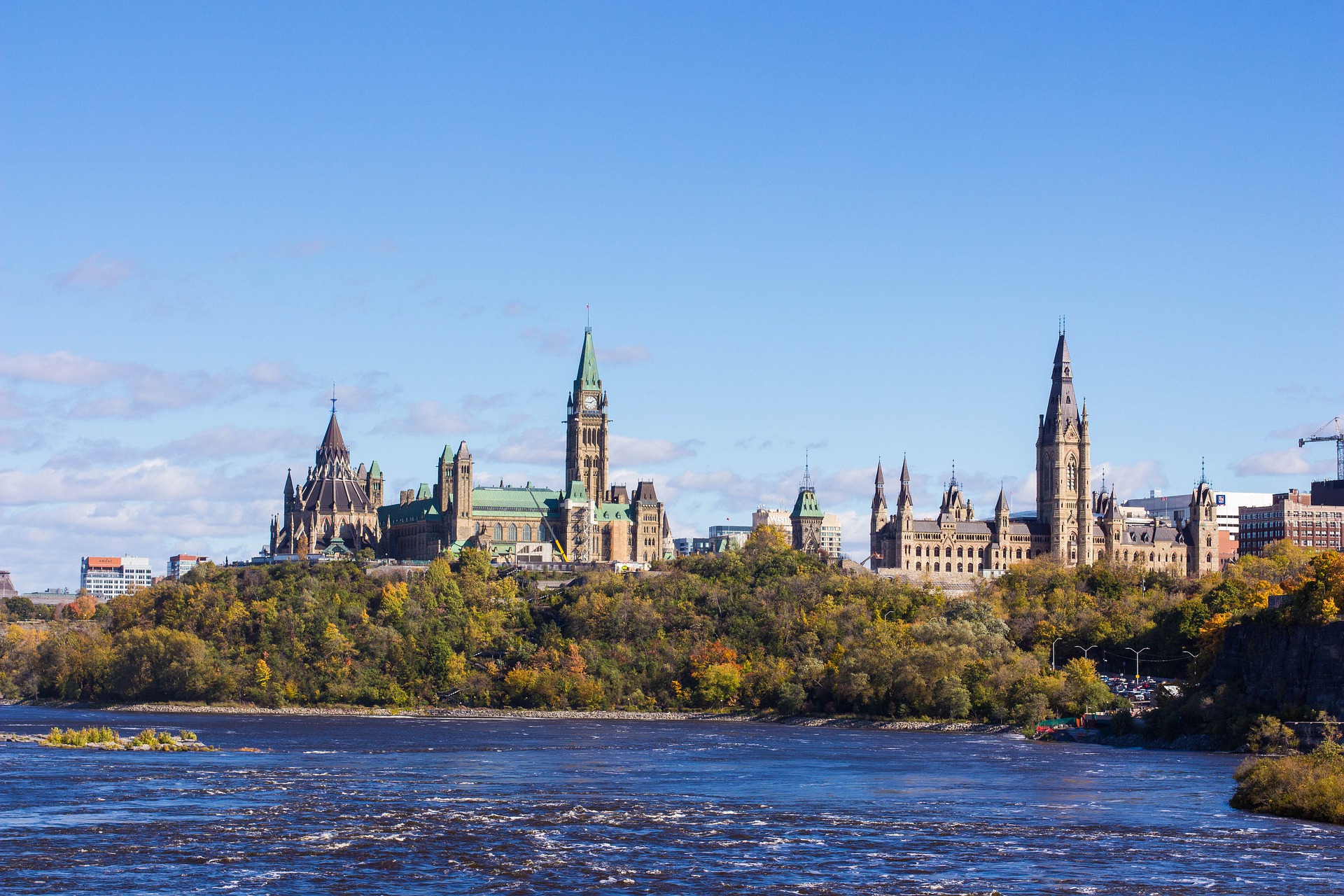
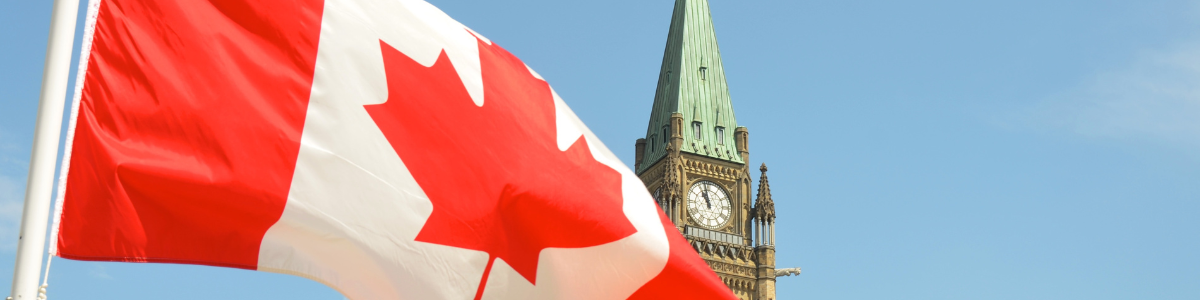
Canadian flag waving in front of the Parliament Building on Parliament Hill in Ottawa

The role of governments

In a world facing such water-related issues, governments must look beyond the next election cycle to adequately address this prolonged crisis. Current short-term solutions are not enough. Governments are often reluctant to take risks due to their limited terms in office — leaving water as a crucial issue unaddressed. 

Our elected representatives have to act! Legislations must be created and investments must be made relating to any and all expertises in water conservation – such as:

The role of the de Gaspé Beaubien Foundation 

According to Nan-b de Gaspé Beaubien: “When we first started discussing water issues, many people were puzzled. No one wanted to talk with us. They said: ‘There’s no issue, there’s no problem. Why are you doing this? No need to get involved in water.’ But we saw the issue and we saw that Canada was not playing the leadership role it could.”

Therefore, in 2015, the de Gaspé Beaubien Foundation decided to step up and take on the mantle of “risk takers” the governments weren’t willing to uphold. Exploring innovative solutions and expertise in water conservation, AquaAction was born! 

AquaAction aims to revitalize freshwater bodies in North America. They make this happen through nurturing hyper-talented youths, equipping them with cutting-edge technologies, and offering the support they need to bring their solutions to life.

Logo d'AquaAction

“For us, part of the solutions resides in innovation and creativity and technologies. That’s why, with AquaAction, we help founding companies that solve problems related to water conservation. As of today, we are now working with 55 companies across Canada! They are developing real solutions to the water problems. This has an enormous impact both on an ecological standpoint and economical standpoint.

From our family to yours

The de Gaspé Beaubien family came together, determined to become part of the solution and preserve this precious resource for generations to come. 

We want to inform all the families in Canada about the water crisis and its issues like our grand-children informed our family. We’ve been doing so for over a decade and we will continue to do so as long as needed.” – Nan-b de Gaspé Beaubien

Expertise in Water Conservation is needed for the health of every Canadians.

“We’re all involved.”

The whole de Gaspé Beaubien family is actively participating in the Foundation. “Some are more involved than others, like François, our youngest son, is now Chair of AquaAction. Even though some are more involved than others, everyone knows what’s going on.” 

“Water is essential to life on earth. It sustains us, it connects us, it nourishes us all. AquaAction is here to help everyone find meaningful ways to protect freshwater for future generations.” – François de Gaspé Beaubien 

The younger generation is striving for more. To support this ambition, a youth committee is being created as part of the Foundation board and giving them a key role. It’s essential to include young people in these conversations as they have an understanding of what current issues look like and how they can be addressed. They have a unique connection to the future, and it’s important their voices are heard. We all have a part to play – so let’s listen to the ones on the front lines.

Climate change, unsuitable infrastructures, consequences of water pollution, overconsumption – these are only some of the threats faced by our fresh water supplies. But together, we can work to protect this precious resource before it’s too late. By taking action and working together, we can preserve clean and plentiful water sources for this generation and future ones. Want to know more or discuss these issues? Contact us.

We need Expertise in Water Conservation to protect our environment

How to Contribute to the Preservation of Our Fresh Water

By smartbugmedia,
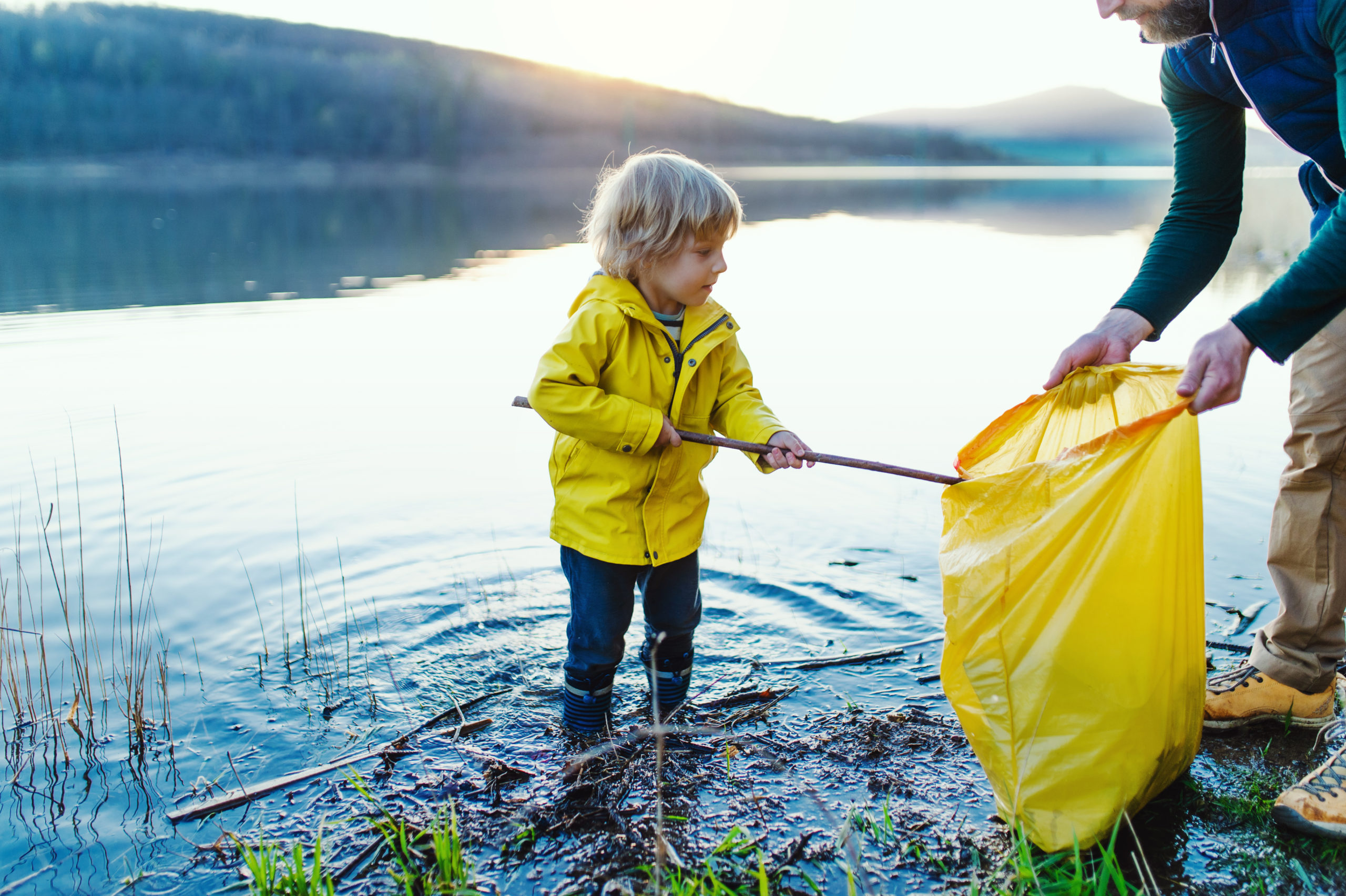
Un père et son petit garçon ramassent des déchets pour préserver l'eau du lac

Fresh water is unfortunately more and more affected by climate change, pollution and its consequences, and maladapted infrastructures. Faced with this preoccupying issue, it is absolutely crucial for every citizen to take action to help preserve this precious resource. In this article, explore 9 concrete ways in which to participate in the preservation of our fresh water on both an individual and collective scale. Together we can make the situation progress and bring about the changes required for the future of fresh water. Find out which actions you can start taking today in order to protect this vital resource for future generations.

1. Support Organizations Committed to the Preservation of Our Fresh Water

A simple, but very useful way of contributing to water preservation is to support organizations actively working on this issue. As you may already know, our favourite organization of this type is AquaAction. Their mission is to restore the health of fresh water in North America by encouraging the development of innovations and new technologies. From its foundation, AquaAction has helped with the creation and expansion of over 25 enterprises across Canada. 

If you believe in the strength of our country’s young innovators, make a donation to AquaAction! Your donation will be tax deductible and will support entrepreneurs in water technologies with the creation of solutions for the challenges faced by fresh water. 

Logo d'AquaAction

2. Involve Yourself Politically

Make your voice heard by supporting water preservation policies and encouraging the deciders to take concrete measures to protect this vital resource. If you feel compelled to, write a letter to your deputy or the ministers to talk about water preservation and its issues, as well as present your observations and experiences as a concerned citizen.

3. Support Your Region’s Watershed Organization

In Quebec, 40 watershed organizations (OBV) coordinate the management of the water per watershed for over 654 000 km². They are committed to protecting and preserving their territory’s hydrographic network through targeted actions. By constantly working to ensure that questions such as water quality, quantity, and climate change are discussed, OBVs prove the importance of individuals coming together to support a common cause and protect the environment. 

Find your OBV with the help of the Regroupement des organismes de bassins versants du Québec – ROBVQ.

4. Raise Awareness with your Friends and Family

Raising awareness is the first step when it comes to changing perceptions and habits. It is a continuous process which inevitably takes time. Share information about water preservation with your family, friends, and community. Discuss the link between water and other global issues such as climate change, food security, and biodiversity. Lead by example and adopt responsible water preservation practices.

5. Follow the de Gaspé Beaubien Foundation and AquaAction Online

In order to stay informed on current events related to the preservation of fresh water, its issues, and the solutions being developed, all you need to do is follow the de Gaspé Beaubien Foundation and AquaAction’s social media pages. It is a simple but efficient way to know what is happening and obtain pertinent information:

The Foundation on LinkedIn

The Foundation son Facebook

AquaAction on LinkedIn

AquaAction on Facebook

AquaAction on Instagram

AquaAction on Twitter

6. Use Products That are Free of Harmful Ingredients

During your next shopping trip, why not go for biodegradable, non-toxic, and eco-friendly options? Many cleaners, detergents, and eco-friendly cleaning products are available on the market. The same thing goes for shampoos, soaps, and other bath products. Read the labels attentively to spot environmental certifications and non-toxic ingredients.

7. Use Water Intelligently

Préserver l'eau en Utilisant l’eau intelligemment

Have you adopted water-saving habits? It is probably not the first time you have seen this recommendation, but the fact is that these small changes really make a big difference in the grand scheme of things. Here are some examples to implement:

Using Water Intelligently Inside the Home

  • Use waterflow reducing devices.
  • Repair pipe leaks quickly and efficiently.
  • Prioritize showers over baths.
  • Equip your toilet with a water-saving flush system.
  • Use a flow reducing shower head.
  • Turn off the water when you are brushing your teeth, shaving, or doing dishes.

Using Water Intelligently Outside

  • Practice smart irrigation in order to reduce water waste when watering your garden.
  • Collect rain water to water your lawn or flowers.
  • Favor plants that are indigenous and well adapted to your climate during your landscaping.
  • Clean your car using a bucket of water and a sponge rather than the hose in order to save several hundred litres of water. Getting your car cleaned at a closed-circuit car wash also uses less water.

Using Water Intelligently Everywhere

  • Limit your use of bottled water, favor filtered tap water, or use water filtering systems at home.

8. Follow the Reseau Environnement’s Work

The non-profit organization Réseau Environnement is the largest regrouping of environmental specialists in Quebec. It brings together specialists from the public, private, and academic sectors who work in water, residual materials, air, climate change, energy, biodiversity, etc. Increase your knowledge and remain informed with the help of the Reseau Environnement’s publications, or become a member of the association. 

9. Partner with AquaAction

Rencontre de mentorat aquaacton aquahacking

If you are an entrepreneur or own an enterprise, or if you have technological or scientific expertise, AquaAction will certainly want to collaborate with you! It is the occasion to work in partnership with the enterprise in order to develop and implement efficient initiatives. Encourage the members of your team to share their knowledge and expertise by acting as mentors to young innovators and entrepreneurs participating in the AquaHacking Challenge.

Each of these actions, combined with collective awareness, can have a significant impact on the preservation of our fresh water. By working together, we can ensure the preservation of this crucial resource for present and future generations. There are actions to be taken on an individual, regional, national, and societal level. 

Let’s work together for our future and water preservation! 

One Year of Water Innovation for AquaEntrepreneur Quebec!

By smartbugmedia,
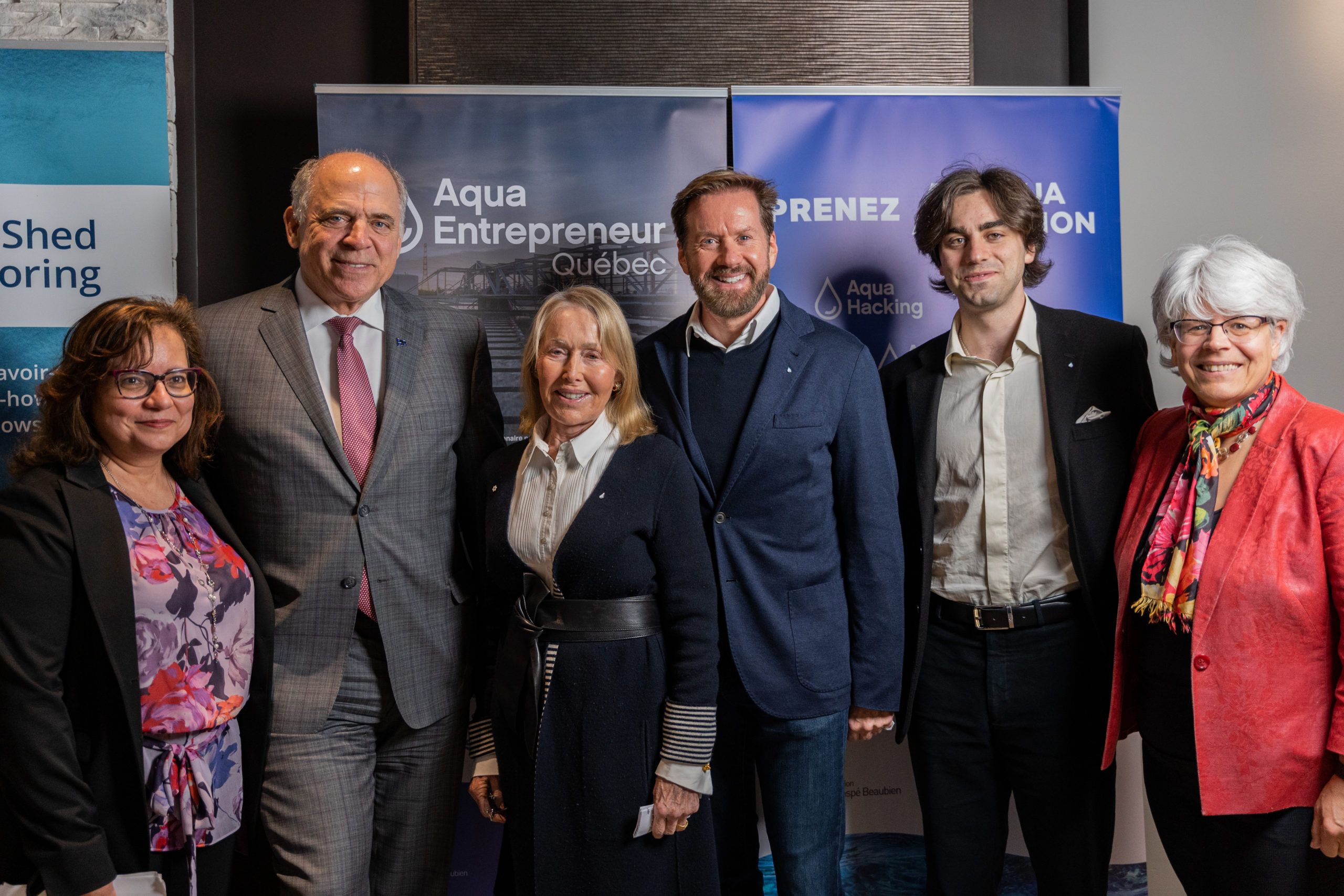
De gauche à droite : Soula Chronopoulos, Présidente de AquaAction, Pierre Fitzgibbon Ministre du MEIE, Nan-b de Gaspé Beaubien présidente du conseil de la Fondation de Gaspé Beaubien, François de Gaspé Beaubien président du conseil d’AquaAction, Louis-Alexandre de Gaspé Beaubien petit fils de Nan-b impliqué dans la cause de l’eau, Dominique Monchamp directrice générale de la Fondation de Gaspé Beaubien.

On May 3rd, AquaAction and the de Gaspé Beaubien Foundation celebrated AquaEntrepreneur Quebec’s first anniversary! We are proud of what we have accomplished over the last year, and we are more motivated than ever to continue our work in the preservation and healthy management of fresh water.

Soula Chronopoulos, President of AquaAction, explains: “Our AquaEntrepreneur program is concrete proof that innovation is the key to solving the environmental challenges we face. More importantly, it has demonstrated that economic growth, environmental impact, and innovation can successfully coexist. The future of our freshwater depends on the solutions developed today, and the new generation is leading the way. We are proud to see the success the program has had in its first year, and we are committed to continuing to support emerging companies to create a lasting positive impact on the environment.”

Francois de Gaspé Beaubien, Chair of AquaAction’s Board of Directors, adds: “The De Gaspé Beaubien family is proud to have founded AquaAction, a non-profit organization, and to support its AquaEntrepreneur program. By working with emerging water technology companies, we have the opportunity to contribute more efficiently to the management of our most precious resource: water. We will continue to measure our impact to meet and exceed our goals. Water must be considered essential and be on the agenda of every corporation and citizen in the country.”

About AquaEntrepreneur

AquaEntrepreneur is a program that drives the commercialization and adoption of innovative freshwater solutions by municipalities, along with the industrial and agricultural sectors.

The objective is to revolutionize the freshwater industry by giving water technology enterprises the tools and support that they need for their pilot projects to gain a foothold in difficult-to-reach target markets. By rationalizing the validation process of innovative solutions, this program can help to counteract the effects of climate change and drive economic progress, while ensuring that global freshwater treatment practices remain efficient and effective.

A First Year Filled with Innovation

In the first year of the cohort, AquaEntrepreneur facilitated the deployment of 5 municipal pilot projects:

  • Clean Nature reduces the impact of salt spreading on roads – they are deploying a pilot with the City of Assomption
  • Smartrek offers a device to detect leaks in the drinking water distribution network – they are deploying a pilot with the City of Boisbriand
  • Hoola One recovers plastics from soil and sandy beaches – they are deploying a pilot with Parc Jean-Drapeau
  • Watershed Monitoring offers a water management platform, from source to tap – they are deploying a pilot with the City of Gatineau
  • EMO3 proposes a modular ozonation unit for small to medium-sized municipalities – they are deploying a pilot with the Quebec Aquarium

It’s Only the Beginning!

The recently-launched second cohort of AquaEntrepreneur has experienced an unprecedented growth of 350% in participating businesses compared to cohort 1, growing from 6 to 20, and the program expects to achieve its three-year goals in the first year.

With the support of a $2 million grant from the MEIE, the AquaEntrepreneur program aims to create 200 jobs in the water management sector by 2025, with an economic impact of $150,000 million. In addition, 76 pilots are expected to be deployed, double the original target of 38. Three more cohorts are planned by 2025.

Through close collaboration with municipalities, industries, and government agencies, AquaEntrepreneur will help improve water management efficiency, promote environmental sustainability, and stimulate technological innovation. AquaEntrepreneur aims to build a sustainable future for water management in local communities and beyond.

Finally, an Increase in the Royalties on Water!

By smartbugmedia,

The de Gaspe Beaubien Foundation enthusiastically applauds Prime Minister Francois Legault’s announcement at the COP15. He committed to introducing a bill comprising ways in which to evaluate water use costs for commercial users in Quebec and the implementation of royalties. By combining such Ecofiscal measures with the Blue Fund in Québec with a solid Canadian water Agency, as promised by Prime Minister Justin Trudeau, we are on the right track to restore and preserve Quebec and Canada’s water sources. 


The Quebec Government’s Commitment 

The Quebec government recently revealed that it had only received 3 million dollars for the collection of 811 billion litres of water in 2021. The Prime Minister has deemed this amount to be unacceptable. A more equitable rate will therefore be established in order to avoid abuse. This increase will be paid to the Blue Fund in the form of royalties. 

Announced last August, the Blue Fund has a budget of 650 billion dollars for the next mandate and is partially funded by the royalties paid by the industries that use our water. It will be used to fund resources in various water preservation projects such as the cleaning of our riverbanks or the recovery of our shoreline strips. Quebec estimates that the Fund should reach 150 million dollars per year by the end of the CAQ’s mandate. 

“The Blue Fund is an indispensable and incredibly important initiative. We particularly applaud their royalty plan. We have all seen the impacts of maintaining the status quo and it is now time to act! I have hope that this project will bring positive changes and necessary improvements to the health and protection of our water.” – Nan-b de Gaspe Beaubien

“Provided with its royalty plan, the Blue Fund was a vital requirement and constitutes a positive sign from the Quebec government. We believe in the future of Quebec, which seems to be going in the right direction. However, we hope that innovation, new technologies, and entrepreneurship will be at the heart of the Fund’s projects.” – Dominique Monchamp 


A Long-Awaited and Vital Initiative 

In August 2022, the Prime Minister declared:” Over the years, we have taken this wealth a little bit too much for granted. We have to take better care of our water in Quebec. When we see the droughts in France, the U.S.A, Mexico, etc. we realize how strategic this water is for our future. For myself and the whole CAQ team, it has become a priority to protect our lakes, rivers, and sources of drinking water. We have to give more love to our lakes and rivers.” We are happy to see actions come from this declaration!

The de Gaspe Beaubien Foundation is of the same opinion. Water preservation is an extremely important issue and must be taken into consideration now. We were impatiently waiting to see our elected officials take the future of water seriously. 


The Experts’ Opinion

The Environmental Network has been recommending the adoption of Ecofiscal measures for the water industry since June of 2022. It even created a committee of experts made up of municipal representatives as well as municipal, academic, civil society, and private sector infrastructure managers to discuss the regulations in place for the water industry, and the recommendations to follow. 

This committee created a memoire comprising, among other things, six essential recommendations regarding the royalties, complete transparency, and accountability. 

Their recommendations:

  • Increase the disclosure of data regarding the volume of water collected and the different uses of water in Quebec. 
  • Improve and equip industries with the necessary management tools.
  • Disclose projects that benefitted from the royalty funds. 
  • Rethink the use of the royalty funds. 
  • Update the rate of the royalties and the regulations more regularly. 
  • Revise the amount of the royalty. 


The Environmental Network explains:” The observations and recommendations made in this memoire all come to the same conclusion; we need to increase the amount of the royalty. The user pays principle, largely used around the world, demands that the users contribute to the funding of the acquisition and knowledge transfer, as well as to the management system and protection measures.”

According to them, the best solution is to adopt a formula based on a new base rate that would be adjusted according to the three following factors:

  • The volume of water collected by the user.
  • The economic activity sector.
  • The catchment area. 


The Use of Water Elsewhere in the World

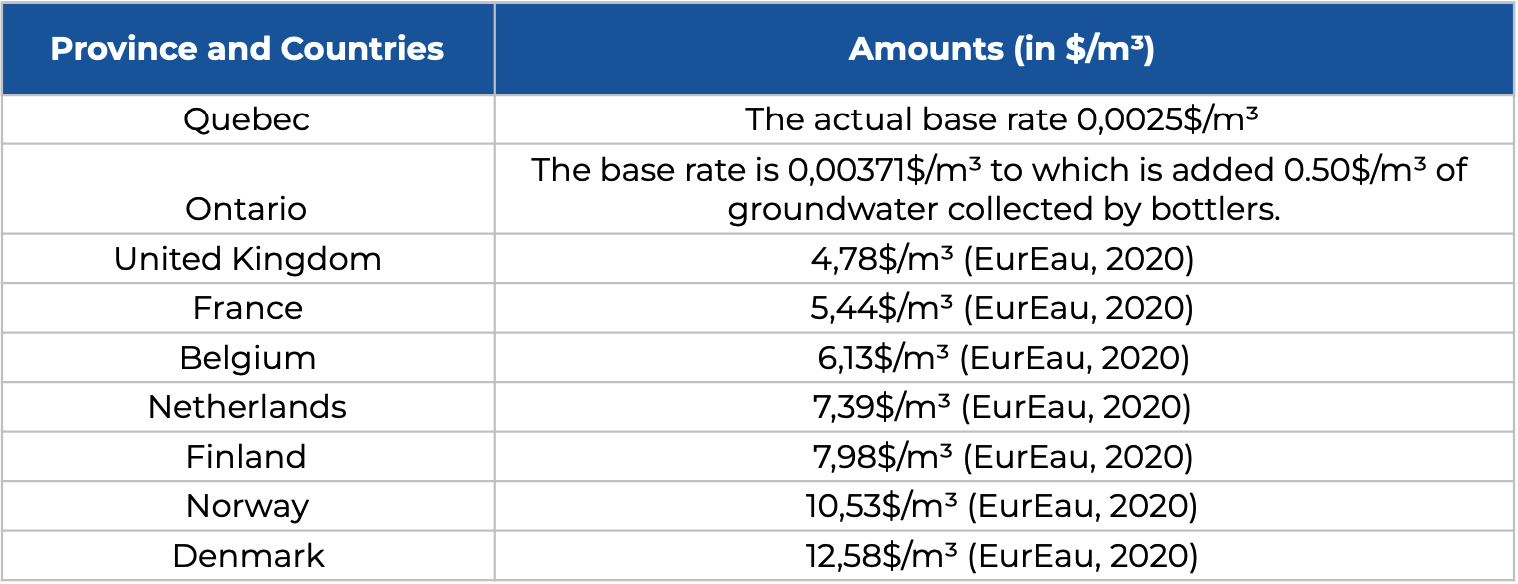
Industries that use water in Canada or elsewhere in the world are required to pay a fee. The following chart gives a few examples **.

(In order to make the chart easier to understand, a fixed exchange rate was used to convert the euros into Canadian dollars: 1 € = 1,35 $).


**Source of the table : Mémoire produit par Réseau Environnement – Révision des redevances exigibles pour l’utilisation de l’eau – Novembre 2022


The Blue Fund and the revision of the royalty rate are encouraging steps toward the protection and maintenance of water sources. We applaud this decision and hope that actions will be implemented quickly. In order to ensure the well-being of future generations, more sustainable practices must be adopted. These practices start with Ecofiscal and governmental practices such as the ones mentioned in this article. 

COP15: Water must be on the agenda!

By smartbugmedia,

The 15th Conference of the Parties (COP15) of the United Nations takes place in Montreal from December 7 to 15, 2022. This international gathering of nations from around the world will focus on the preservation of nature and ways to stop the decline of biodiversity around the world. This is a noble and essential mission, but in order to achieve it, one major topic is missing from the event’s agenda: water.

Dominique Monchamps, executive director of the Fondation de Gaspé Beaubien and steering committee member of the Canadian Coalition for Healthy Waters explains: “Without quality water in sufficient quantity, there is no chance for biodiversity to survive. It is a vital resource for all species.”

The Fondation de Gaspé Beaubien and all members of the Canadian Coalition for Healthy Waters are therefore calling on the governments participating in the Conference.


Canada must not waste the opportunities at COP 15 in Montreal

The upcoming COP15 Conference in Montreal cannot be a missed opportunity for the Canadian government to keep its promise and establish the Canada Water Agency.

On Dec. 7, Canada begins hosting the 15th meeting of the Conference of the Parties on the UN Convention on Biological Diversity (COP15) in Montreal. This gathering has so far attracted little media attention compared to that of the recent COP27 in Egypt. However, lost in these discussions is that climate change and biological diversity are inextricably linked, or rather “two sides of the same coin.” Within this, water remains the consistent factor of both, and at the heart of all climate change and biodiversity discussions.

For example: climate change caused by global warming changes weather patterns and cause extreme weather events that impact human health, food, shelter, forests, agriculture, and aquatic habitats. By 2050, climate change will have cost Canada $139- billion due to flooding, drought, wildfire, and other disasters, alongside the costs of unheard biodiversity loss, including tens of thousands of dead salmon in British Columbia in 2022 alone. Steven Guilbeault, Canada’s minister of the environment, is right to
note the significance of COP15’s location in Montreal, home of the successful Montreal Protocol to Protect the Ozone Layer in the 1980s, noting that it gives Canada “a superb opportunity to demonstrate the value of protecting nature.” This value has never been more critical, with scientists estimate that one million plants and animal species are at risk of extinction in the coming decades.

The goals for the biodiversity convention are as ambitious as those for climate change. It aims to preserve natural diversity, sustainable use of nature’s bounty, and fair and equitable sharing
of resources amongst countries. In Montreal, states will aim to set targets to slow the destruction of nature through preserving a third of land and sea habitats for nature by 2030, a target also set by the Liberal government in the 2021 federal budget. Again, financing this will be a large issue: as seen in Egypt, developing nations are demanding a substantial transfer of resources to help them preserve their environments. Such negotiations are obviously difficult, but one should not give
up hope as there is at least one happy and significant precedent: in 1987, in Montreal, 198 parties ratified the Protocol on Substances Depleting the Ozone Layer and this agreement, despite opposition from the CFC industry, has largely worked.

As host of COP15, Canada will be in the international spotlight, presenting an opportunity to emerge as a leader in climate change, water, and biodiversity on the global stage.

With this opportunity, what will Guilbeault announce at the conference as a special sign of Canadian leadership? One good candidate is the creation of the long-awaited Canada Water Agency and significant funding for a strengthened Freshwater Action Plan. Water is the connector between biodiversity and climate change. Water is life, and has been declared a twin of biodiversity by the International Union for Conservation of Nature—the driving force behind COP15. A Canada Water Agency would work together with First Nations, provinces, and municipalities to preserve water bodies, promote flood mapping and prevention, preserve groundwater quality, assist with the management of river basins, share water data and improve our infrastructure to prevent water loss. It has the potential to focus national attention on the water priority and could make water a mainstay of our development support, aligning with United Nations’ Sustainable Development Goals and the International Feminist Agenda.

The greater water community has already shown support for an independent Canada Water Agency, now the Canadian government must show its commitment to protecting water, climate and biodiversity. Guilbeault will undoubtedly commit Canada to ambitious targets on preserving nature when he speaks to the thousands of delegates in Montreal, but announcing a Water Agency to give effect to federal promises would show that Canada is committed to reversing our Age of Extinction and would harness preserving biodiversity to helping ensure clean, sufficient supplies of water for all Canadians.

The world is watching, and Canada must rise to the occasion.


Family in Business one day, Family in Business Every Day

By smartbugmedia,

The de Gaspé Beaubien Foundation’s philanthropic efforts – and by the same token the efforts of its founders, Philippe et Nan-b – concentrate today on the future of water and the environmental and social issues related to it. However, their philanthropic efforts precede their involvement in this cause. Over the last 30 years, the de Gaspé Beaubien family has invested in a number of different causes. The first cause supported by the family has not been forgotten and will always have a special place in our hearts: families in business.

A Personal Interest from the Start

It’s no secret that the de Gaspé Beaubien family has been in business for a long time. Owning, managing, and ceding a family enterprise has an impact on each member of the family; the same goes for the de Gaspé Beaubien family.

In the 90s, Philippe and Nan-b’s children each held a role within the enterprise. Eventually, separating family life and work life became more challenging. They also realized that the challenges they were faced with as a family in business were very similar to the issues experienced by their peers. This is how the Foundation for Families in Business was born in 1999.

In 2020, following the merger with Family Enterprise Canada Foundation, the organization became known as the Family Enterprise Foundation. Philippe and Nan-b’s contribution will however always be recognized by the foundation: « As honorary board members of Family Enterprise Foundation (FEF) and co-chairs of the de Gaspé Beaubien Foundation, Nan-B and Philippe devote their time and energy to the advancement of family enterprise. Pioneers in their field, they continue to break new ground supporting global enterprising families, women’s issues, public health and environmental causes. Imparting knowledge, wisdom and serving others, their special passion is devoted to helping the next generation […]. » – Family Enterprise Foundation

Still Relevant Today

More than 20 years after the creation of the Foundation for Families in Business, the de Gaspé Beaubien family is no longer at its’ head. However, the Foundation’s mission is still important to them. It remains a key subject for each member of the family.

At respectively 95 and 87 years of age, Philippe and Nan-b obviously care a great deal about their children and grandchildren’s happiness, both in their personal and professional lives. Leadership and the entrepreneurial spirit seem to be passed down from generation to generation in their family. The knowledge acquired by the Foundation and the tools they developed are therefore of use to thousands of families around the world, including the de Gaspé Beaubien family.

It Doesn’t Stop There

Even if Philippe and Nan-b are now less active in the cause of entrepreneurial families, they remain involved behind the scenes. Their professional and personal journey make this a requirement.

“We are very proud of what we have created in the past! Even if we are quieter now, the fact remains that we continue to be committed to the cause of families in business. I can’t talk about it too much, but know that we are working on a new project related to that. This project will come to light in 2023!” – Nan-b de Gaspé Beaubien

We will have to wait for the new year to find out more. Philippe, Nan-b, and the de Gaspé Beaubien Foundation’s team are excited to be able to tell us more.

A Day on the Hill for Water: meeting with our elected officials for the future of water

By smartbugmedia,
A day on the hill for water will be held in Ottawa

On October 18th and 19th, an important event will take place on parliament hill for the very first time: A Day on the Hill for Water. The Canadian Coalition for Healthy Waters is inviting its members and over 20 deciders from the Canadian government to join them on parliament hill in order to discuss our most important resource: water.

The Objective

In August, the Liberal party of Canada promised 1 billion dollars over 10 years to restore and protect our large lake and river ecosystems. Unfortunately, the money was not available in the last budget, and what’s more, a 1 billion $ investment isn’t enough.

“The water issue is of utmost importance. It cannot be pushed to the side, as it is a vital and irreplaceable resource. We have hope that we will be heard by our political deciders and that they will understand the urgency we are faced with. We are all affected by this issue.” – Dominique Monchamp, general director of the de Gaspé Beaubien Foundation and member of the Canadian Coalition for Healthy Waters’ board of directors.

We Need to Act Now!

The water crisis is real and isn’t only an issue in other countries. In fact, 60% of the world’s fresh water and drinking water is contained in only 9 countries. Canada alone holds close to 20% of the world’s renewable fresh water reserves.

Fresh Water Sources

According to the Great Lakes-St. Lawrence Collaborative and their 2020-2030 action plan, 2.2 billion $ over 10 years are required to protect the Great Lakes and the Saint-Lawrence River; and that’s only for Quebec. The country of Canada counts 563 lakes with a surface area of over 100 square kms and the largest hydrographic network in the world.

Infrastructures

It is important to specify that the health of our water isn’t solely dependent on the protection of our fresh water and inland water sources, but also on the upgrade and maintenance of our aqueduct and water treatment systems. According to the Centre for Expertise and Research for Infrastructures in Urban Areas’ 2019 annual report, our water infrastructures in Quebec have an active maintenance deficit of close to 17 billion $. The situation is no doubt similar in the other provinces.
The investment that has to be made in order to preserve the health of our fresh water and inland water on a national scale is therefore much greater!

Known Solutions

Reseau Environnement et Strategies Saint-Laurent have identified key issues with the goal of modernizing municipal wastewater treatment and water resource collection stations in Quebec. In their Sanitation 2.0 report, they propose solutions to 10 major issues:

  1. Bio surveillance of the ecosystems
  2. Better support
  3. Non-normed harmful compounds
  4. Reduction of the flow and contaminants at the source
  5. Reduction of overflows
  6. Non-connected systems
  7. Pilot projects and new technologies
  8. Governance
  9. Stable and predictable funding
  10. Beaches and nautical activities

“The recommendations proposed fit into the perspective of a green economy, which is an approach to implement sustainable development that will improve human wellbeing and social equity while significantly reducing environmental risks and resource shortage.”, explains the Reseau Environnement et Strategies Saint-Laurent.

Shared Responsibility

Managing and protecting our water isn’t solely the federal government’s responsibility. Every level of government is involved: countries, provinces, and municipalities alike. However, creating an open dialogue with our elected officials is the first step towards the implementation of efficient and durable solutions. Their support is necessary, as well as the obtention of the funding we need.

The Organizers

The Canadian Coalition for Healthy Waters is a nonpartisan coalition that brings together over 60 Canadian organizations from across the country. They have joined forces in order to defend the health of our fresh water and inland water in all its forms. The de Gaspé Beaubien Foundation is proud to be one of its instigating members.

The coalition’s actions are based on 3 key points:

  • Establishing a solid Canadian Water Agency
  • Renewing the law on Canada’s water sources that is over 50 years old
  • Putting into place a Canadian water fund in order to invest 225 million $ a year in the health of Canada’s waters

If these points speak to you and you care about protecting Canada’s water, become a member of the coalition and join us on October 18th and 19th for A Day on the Hill for Water!

Discover AquaAction’s Latest News

By smartbugmedia,
La cohorte d'AquaEntrepreneur Montréal

The year 2022 is already over halfway done, and AquaAction’s projects are going well! The last few months have been busy and filled with novelty for the Canadian organization founded by the de Gaspé Beaubien Foundation. The social and environmental issues related to fresh water aren’t stopping anytime soon; AquaAction therefore continues to grow in order to help resolve them and continue their mission. As well as the national awareness campaign launched in March, AquaAction is preparing a number of other projects. Here are the details.

“We are proud of AquaAction’s impact! It is only the beginning, but we are on the right path and continue to advance. We obviously still have a ways to go, but we are ready!” – Dominique Monchamp. General director of the de Gaspé Beaubien Foundation.

AquaEntrepreneur Montreal

The pilot project AquaEntrepreneur Montreal will come to an end in late July. The three enterprises of this cohort have just finished their first bank of hours (28 hours) with business coaches. They are now starting their second bank of hours (14 hours) with experts specialized according to their needs:

  • O’land Stations have opted for contract and client relations management.
  • ChemBrains chose legal support.
  • Ecotime Solutions is working on the creation of an extended warrantee for their products.

O’land

O’land Fill & Wash Stations’ mission is to reduce single-use plastic pollution in order to help protect the environment. How are they hoping to reach this objective? By supplying reusable infrastructures that answer to the basic needs in water while protecting our health and the environment. According to them, this starts with water stations.

With the help of AquaEntrepreneur, O’land obtained a rental contract for their drinking water stations with the city of BoisBriand. This is the Montreal-based enterprise’s first municipal client. The stations have been such a success that the rental will soon become a purchase!

O’land has also had a promising meeting with the city of Montreal’s water services. Perhaps we will soon see these drinking water stations in the metropolis permanently?

ChemBrains

ChemBrains offer green technological solutions which collect the contaminants present in the effluents in order to recycle and reuse them. For example, treated water can be used in rinsing operations. These technologies find applications in surface treatment industries (plating, anodization, NDT workshops, wet scrubbers, etc.), water features in public parks, and more.

Thanks to AquaEntrepreneur’s support, ChemBrains obtained a service contract with Simexco to deploy 2 pilot projects this summer in St-Valerien-de-Milton and St-Jean-Baptiste-de-Rouville. ChemBrain’s technology will therefore be used for the very first time on the field; this is a major step for the enterprise!

ChemBrains has also had a promising meeting for a potential contract. The team had a conversation with the projects and development of citizens’ services office for Mercier-Hochelaga-Maisonneuve.

EcoTime

EcoTime, winner of the Emerging Talent Award EAU Andre-Perrault, takes advantage of unused water and energy sources in order to save energy without affecting users’ comfort. EcoTime’s different technological solutions have residential, commercial, institutional, and industrial applications.

In partnership with the head of the section énergie pour les bâtiments de la Ville de Montréal, EcoTime’s team elaborated a study on the collection and distribution of rain water for the construction of a new service courtyard in the Plateau.

AquaEntrepreneur Quebec

The AquaEntrepreneur Quebec program, which recently received funding from the Ministere de l’Economie et de l’innovation, is rapidly coming together. Everything is being put into place so that the AquaEntrepreneur Quebec cohort can continue the development and commercialization of their innovative water management solutions.

Among the 14 enterprises who applied, 10 will be selected for phase 1. The jury will announce their decision before the end of July. Further information will be shared soon.

AquaEntrepreneur has also had meeting with the towns of l’Assomption, Plessisville, and Lavaltrie to find out what their issues are in terms of water management. Four municipal projects will be selected in order to be resolved by the candidate enterprises.

Quebec AquaHacking Challenge 2022-23

A new edition of the AquaHacking Challenge is already in preparation! The Challenge will return to attack the most critical fresh-water issues faced by communities in Quebec.

The AquaAction team is looking for critical issues related to Quebec’s inland water that affect the population. The previous AquaHacking Challenges have already addressed issues such as microplastics, overflows, the quality of well water, flood risk management, invasive aquatic species, etc. The call to issues will end in July 2022. The selection of which issues to tackle will take place in August. There are six criteria that are taken into account during this selection:

  • The issue is critical.
  • The issue has a local impact and global perspective.
  • The issue is representative of the province.
  • The issue is appropriate for a technological solution (ex: software, engineering, etc.).
  • Pertinent and representative data is available.
  • A stakeholder is identified within the organization proposing the issue.

Atlantic AquaHacking Challenge

Atlantic Canada houses a spectacular system of dynamic fresh-water and salt-water environments. Being at the heart of the ecosystems and collectives, water and water management include many issues in the region. AquaHacking will therefore visit the Atlantic provinces for the second time.

Atlantic AquaHacking is presently selecting the issues that the candidates will tackle. The issues will be announced in August. In September, young and talented innovators from across Canada will be invited to apply and put their skills to the service of water.

The call for issues has therefore been launched. The selection criteria is similar to those used by the other AquaHacking Challenges:

  • The issue is critical.
  • The issue has a local impact and global perspective.
  • The issue is representative of the province.
  • The issue is appropriate for a technological solution (ex: software, engineering, etc.).
  • Pertinent and representative data is available.
  • A stakeholder is identified within the organization proposing the issue.

New Members of the Team

In order to support AquaAction’s growing number of projects, the organization’s team is expanding; we will be welcoming three new people into our team! This is irrefutable proof of AquaAction’s growth and their impact on the country. We would like to extend a warm welcome to: Sylvie Charbonneau (program director), Aiden Price Gallagher (intern in development and donor awareness), and Alejandro Martinez-Ramos (Startup community coordinator).

Emerging Talent Award EAU Andre-Perrault 2021

By smartbugmedia,
Remise prix André Perrault 2021

The de Gaspé Beaubien Foundation has the honour of presenting to you the recipient of the Emerging Talent Award EAU Andre-Perrault 2021 prize (Prix de la relève EAU André Perrault): Timothe Roy-Bouchard, cofounder of the enterprise Solutions Eco Time. This recognition was given to him for his innovative projects relating to rain water collection. On May 10th, 2022, during an official prize ceremony at the C.I.EAU, Dominique Monchamp had the pleasure of meeting Timothe and awarding him with a 1 500$ grant sponsored by the de Gaspé Beaubien Foundation

What is the Emerging Talent Award EAU Andre-Perrault? 

The award is named in honour of Andre Perrault, founder of EAU and previous director of public works and environment for the city of Laval, a man who is passionate about the environment and involved in the water crisis. The objective of the award is to recognize the innovations and exceptional character of young people’s projects in the water sector, whether they concern the best practices to adopt or new technologies. By doing so, the C.I.EAU recognizes the essential work, dedication, and know-how of the new generation regarding the water crisis in Quebec.

The selection committee is composed of a member of the board of administration of C.I.EAU and Quebec experts in the water sector. Together, they evaluate the quality of the candidates’ presentations and the impact of their projects on the knowledge of the water sector, technologies, and water management. 

The de Gaspé Beaubien Foundation is a Partner for a Second year

The contest’s 2021 edition marks the de Gaspé Beaubien Foundation’s second year of involvement in the contest. The importance that we give to the water crisis and the development of technologies and innovation in this sector is well-known. It is essential for the Foundation and AquaAction to recognize and encourage the younger generation across Quebec. This association with the C.I.EAU and the Emerging Talent Award EAU Andre-Perrault therefore seemed obvious. 

“The de Gaspé Beaubien Foundation is proud to partner with C.I.EAU and the Emerging Talent Award EAU Andre-Perrault. We are happy to be involved in this human initiative in Quebec. Timothe and Solutions Eco Time will certainly accomplish great things! Congratulations again to him and his team, but also to the other candidates for their involvement and achievements. They are the future of the water sector in Quebec.” – Dominique Monchamp, general director of the de Gaspé Beaubien Foundation.

Why we Encourage Young Entrepreneurs 

In spite of the important business chain and expertise behind providing accessible drinking water to everyone, Quebec is presently experiencing a major shortage of professionals in jobs relating to the water sector. Water treatment operators, technicians, technologists, and engineers are severely lacking. However, water management and preservation are crucial issues. 

In 2020, EnviroCompetences denoted that 41% of organizations in the water sector had immediate labour needs, and 66% of organizations did not have measures to resolve the problem. Two years later, the situation hasn’t changed … Initiatives that stimulate the younger generations to develop their knowledge and expertise in the water sector are necessary today to ensure the perennity of the infrastructures, but also – and especially – the well-being of our society. If the labour shortage in the water sector continues, the consequences could be devastating. 

Initiatives such as C.I.EAU, the Emerging Talent Award EAU Andre-Perrault, and the achievements of young innovators who participate give us hope for the possibility of a better future. 

Find out more about the winner, Timothe Roy-Bouchard, and Solutions Eco Time.

Find out more about the Centre d’Interpretation de l’Eau.