Water and AI: The Hidden Constraint Behind Canada’s Digital Future
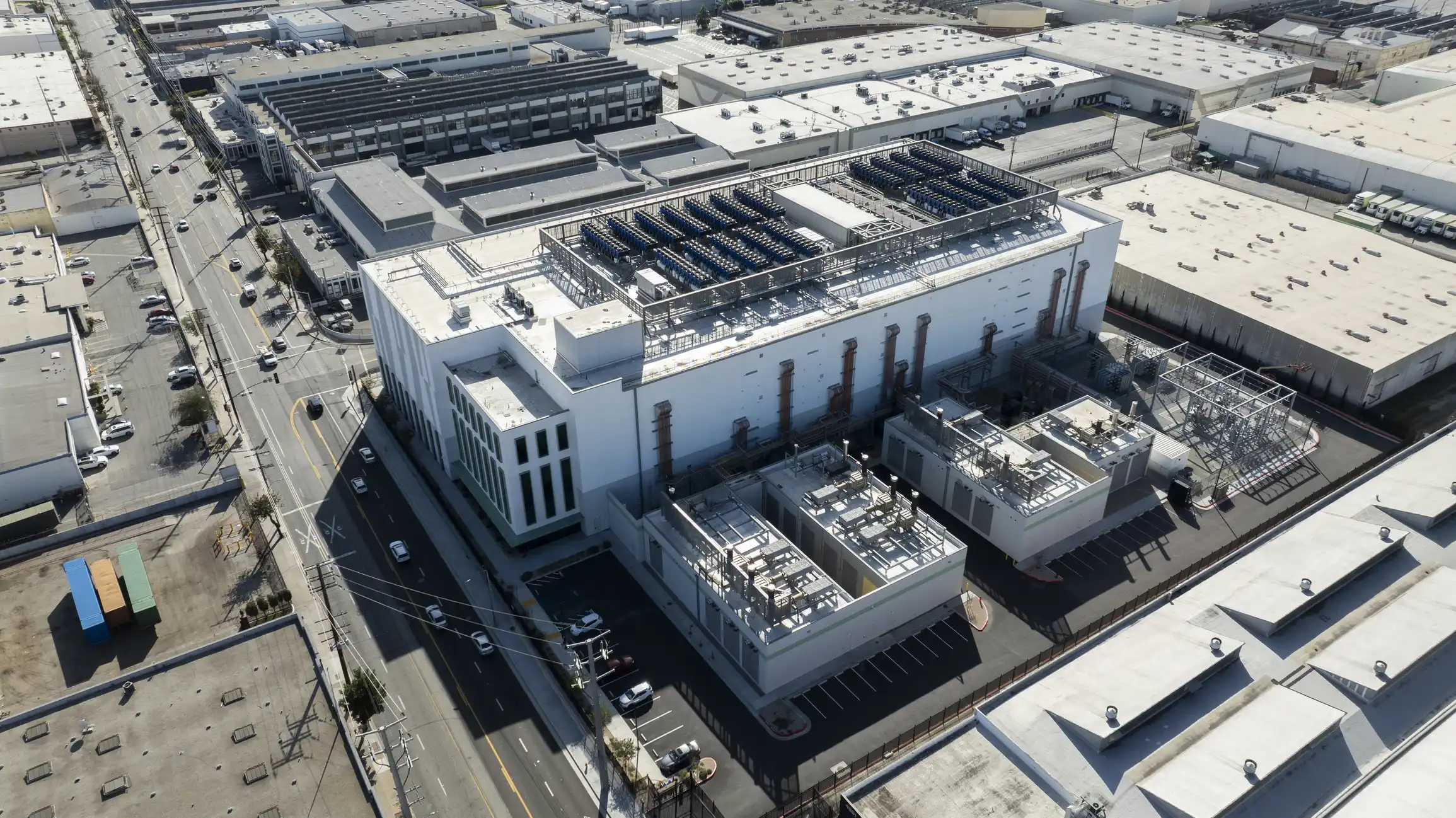
Canada’s digital future is often described through the language of speed, productivity, and innovation. Artificial intelligence is expected to transform industries, accelerate research, improve public services, and strengthen economic competitiveness.
Yet behind every AI system is a physical footprint that is much easier to overlook.
The digital economy depends on data centres: buildings filled with servers that store, process, and move information. They support cloud computing, online banking, healthcare systems, cybersecurity, streaming, and increasingly, the AI tools that are becoming part of daily life. Inside these facilities, thousands of servers run continuously, generate heat, and require constant cooling.
Can Our Systems Support AI Growth?
The International Energy Agency estimates that global electricity consumption from data centres could more than double by 2030. Data centre electricity demand is also expected to rise by about 15% per year between 2024 and 2030, more than four times faster than electricity demand from all other sectors combined.
The pressure on electricity also appears on water. In Canada, data centre water consumption is estimated at 69.54 billion litres in 2026 and projected to reach 99.34 billion litres by 2031.
Large data centres can consume millions of litres of water per day, with 80 to 90% of that water being potable, or drinking-quality, water. A mid-sized data centre has been estimated to use about 1.13 million litres of water per day, roughly the daily water use of 5,000 Canadians. The real footprint is even larger, as this estimate does not include the water used indirectly through electricity generation.
The Myth of Unlimited Water
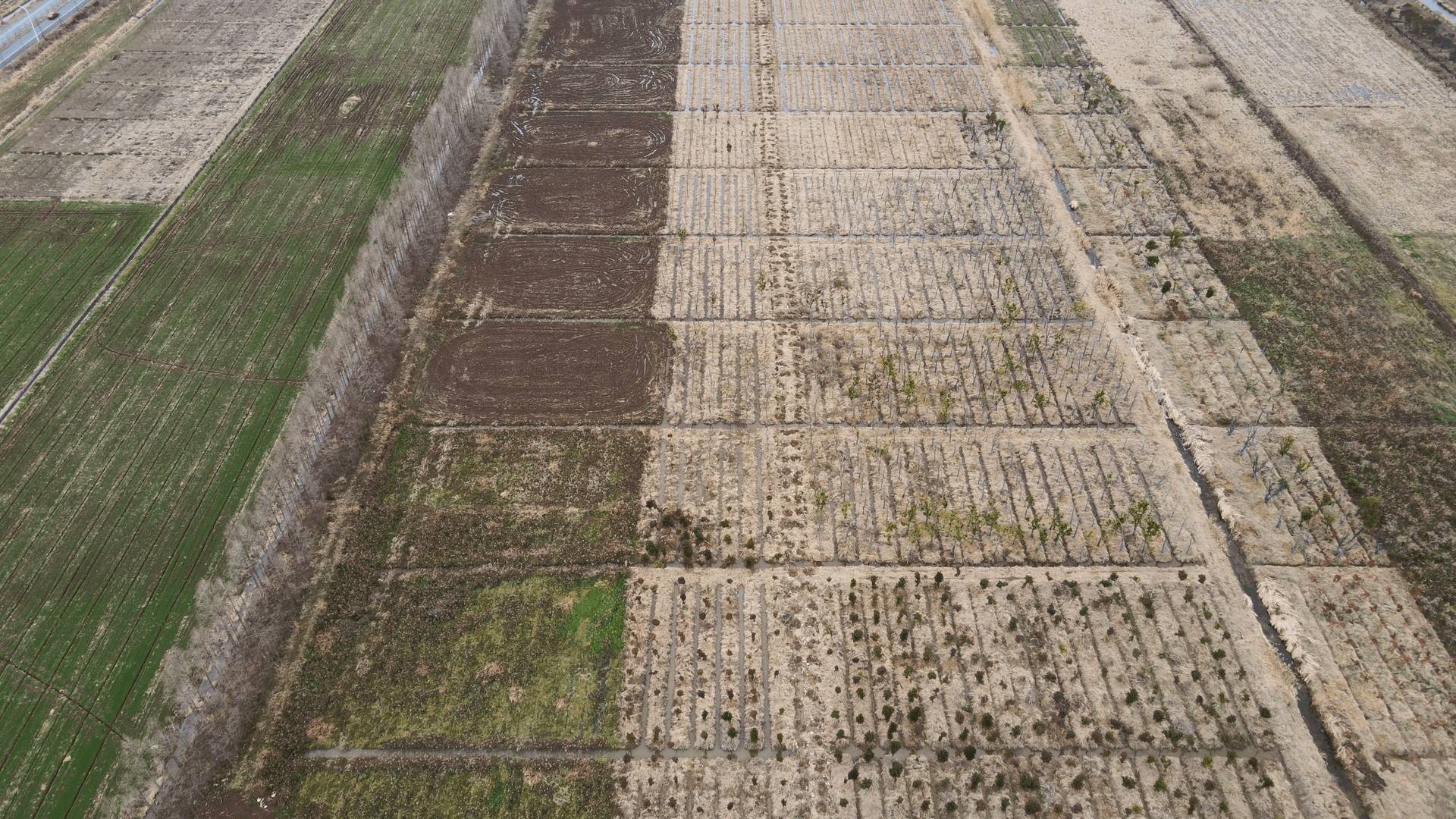
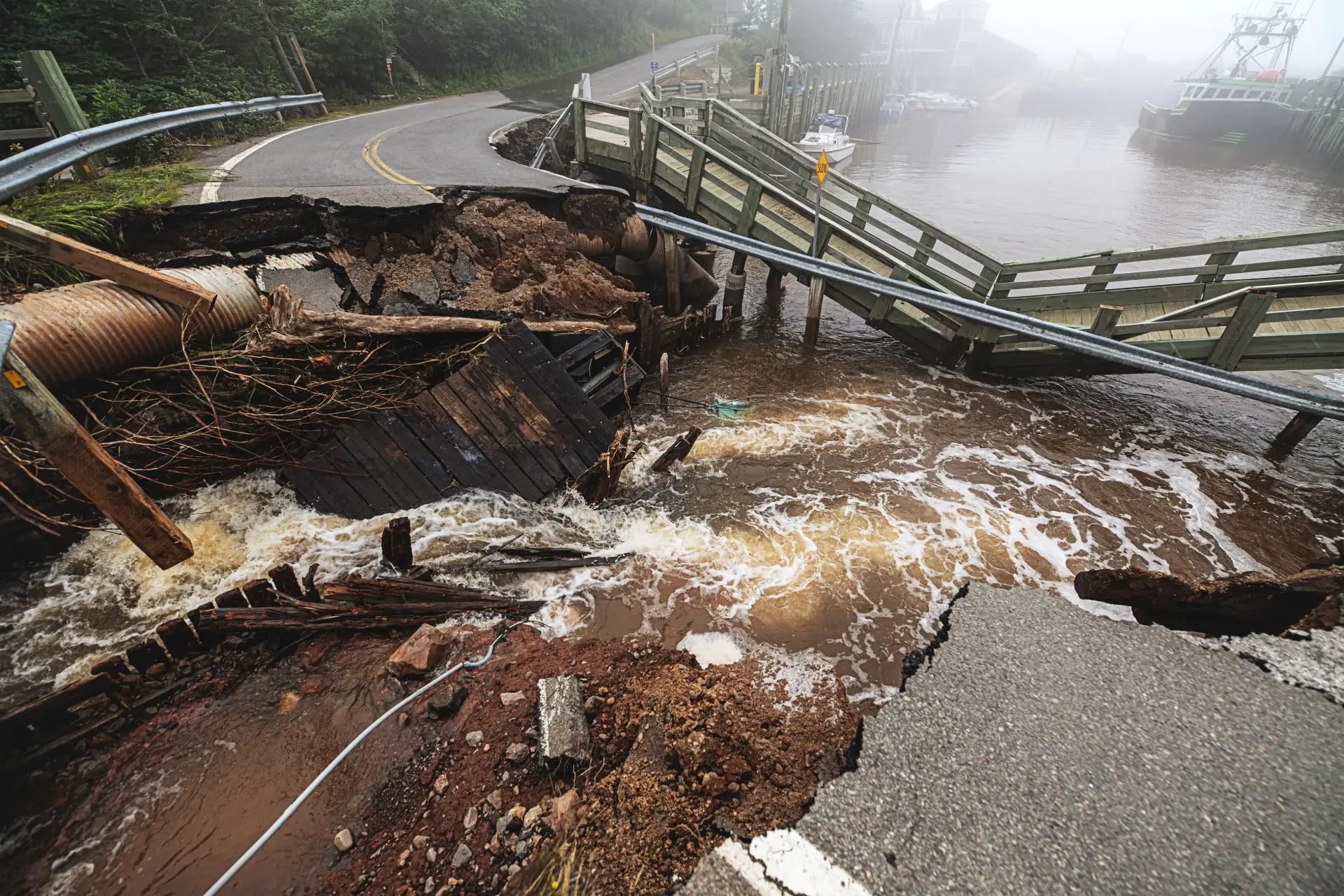
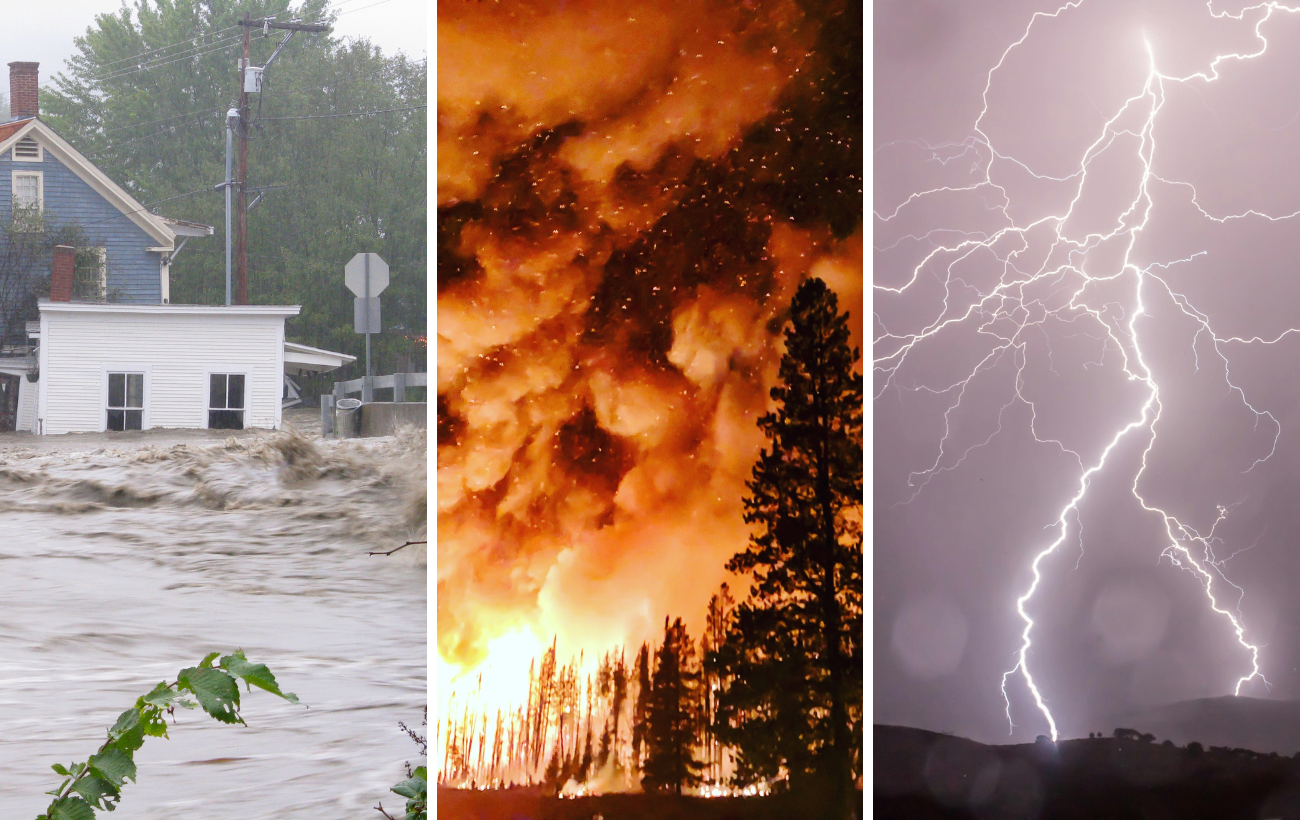
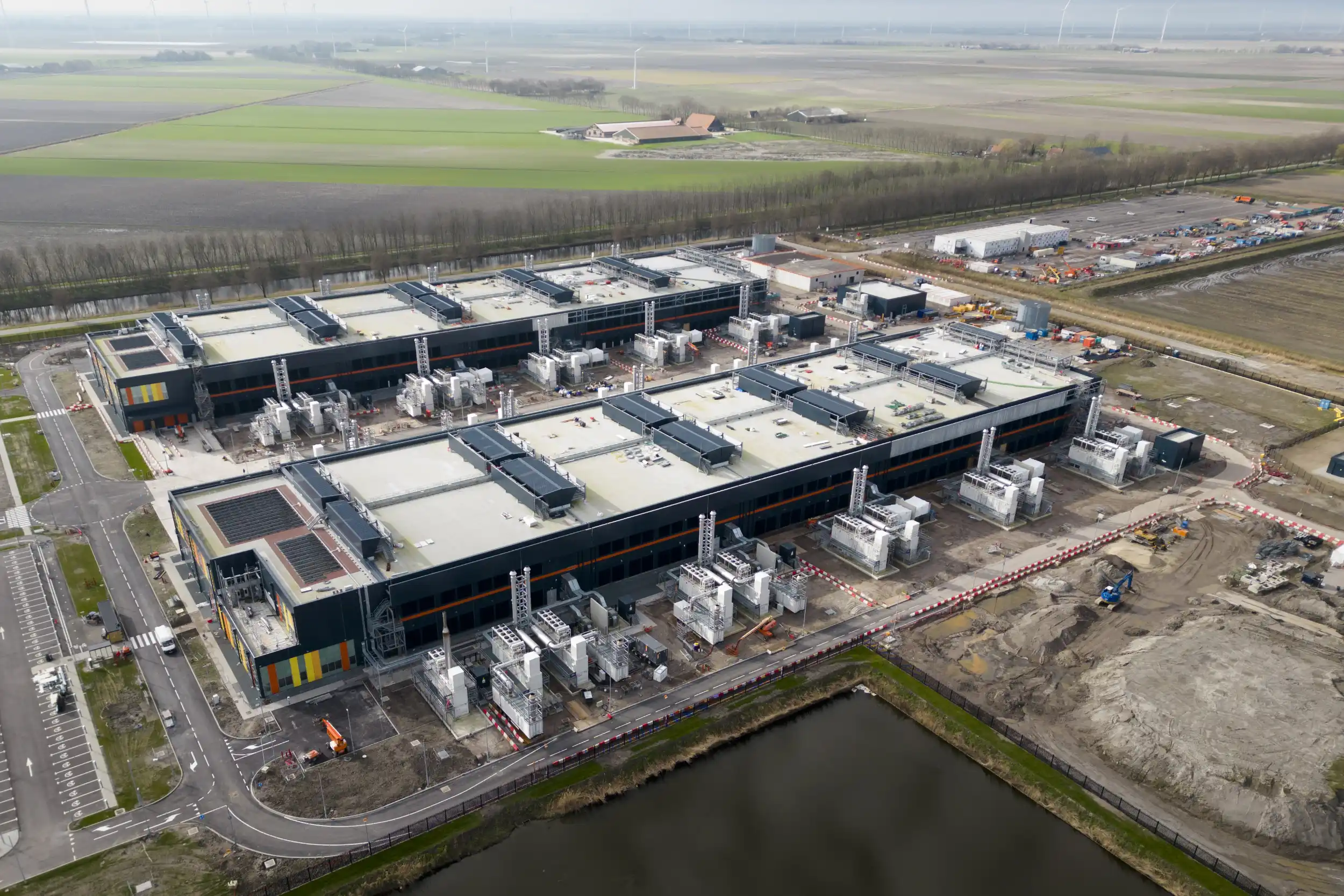
The expansion of AI is taking place simultaneously as water systems are already facing pressure from drought, aging infrastructure, population growth, leakage, and rising industrial demand.
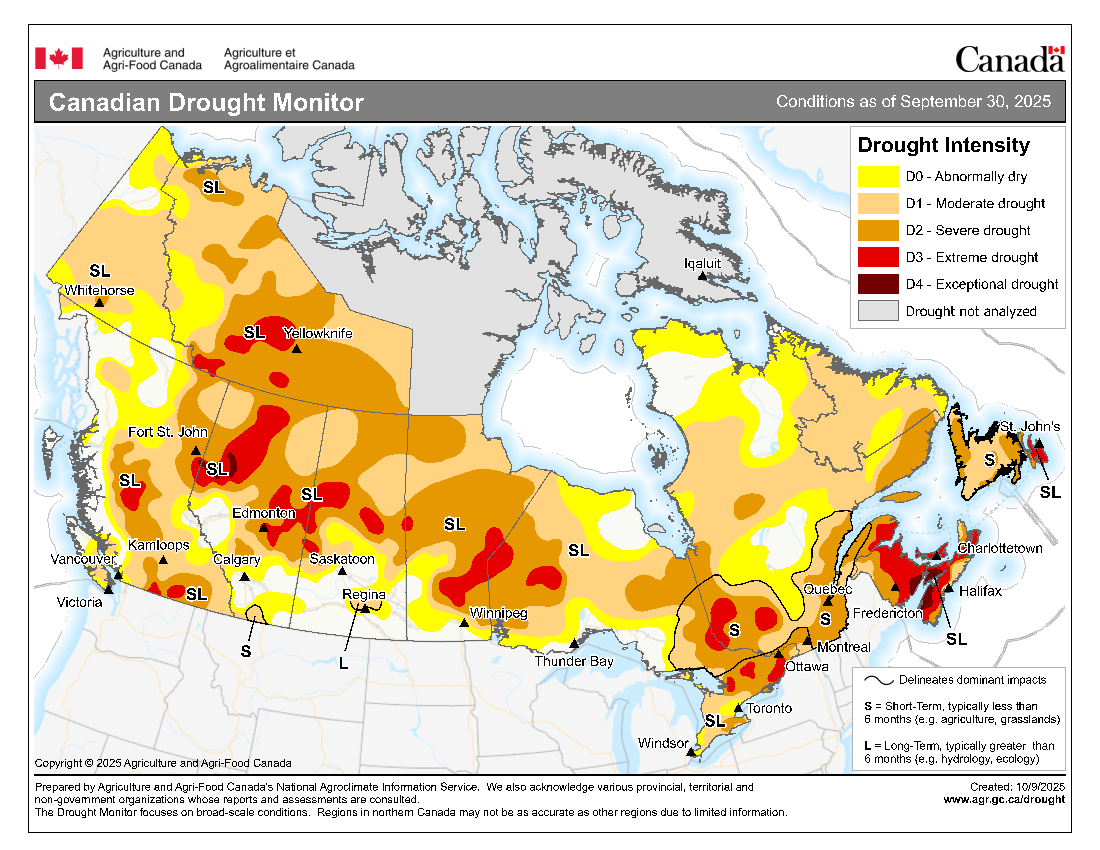
As of September 2025, 85% of Canada’s agricultural landscape was classified as abnormally dry or in drought, including 67% in moderate to extreme drought. Drought is usually discussed through agriculture, wildfires, or drinking water restrictions, but it also affects the conditions under which new industries can grow. The country is therefore facing growing uncertainty around access to stable and well-distributed water.
Canada’s myth of water abundance sheds light on a key message: digital infrastructure cannot be treated separately from its water infrastructure.
An Invisible Cooling Problem
As data centres use more computing power, their servers generate increasing amounts of heat. Without effective cooling, equipment can overheat and digital services can fail, making temperature control key to data centre operations.
However, cooling involves multiple trade-offs. Some systems use more electricity, while some use more water. Others reduce energy demand by relying on evaporative cooling. In fact, 80 to 90% of water used is lost to evaporation during cooling without being returned to watersheds. When put into perspective, a cooling system that appears energy-efficient can still create another kind of pressure by increasing demand on local water supplies.
Data centres are often evaluated through energy use, emissions, and power availability. Water is reported less consistently, leaving an incomplete picture of the pressures these facilities can place on local resources.
When data centres draw from municipal systems, the issue affects not only a company’s operations, it also impacts:
- available drinking water capacity
- municipal planning and capital costs
- groundwater depletion risks
- public trust and social licence
- competition between residential, agricultural, industrial, and ecological needs
On the surface, many are asking if Canada should be building data centres. The deeper question asks whether Canada can build digital infrastructure in a way that strengthens, rather than strains, the water systems around it.
Japan: Snow as Circular Cooling Infrastructure
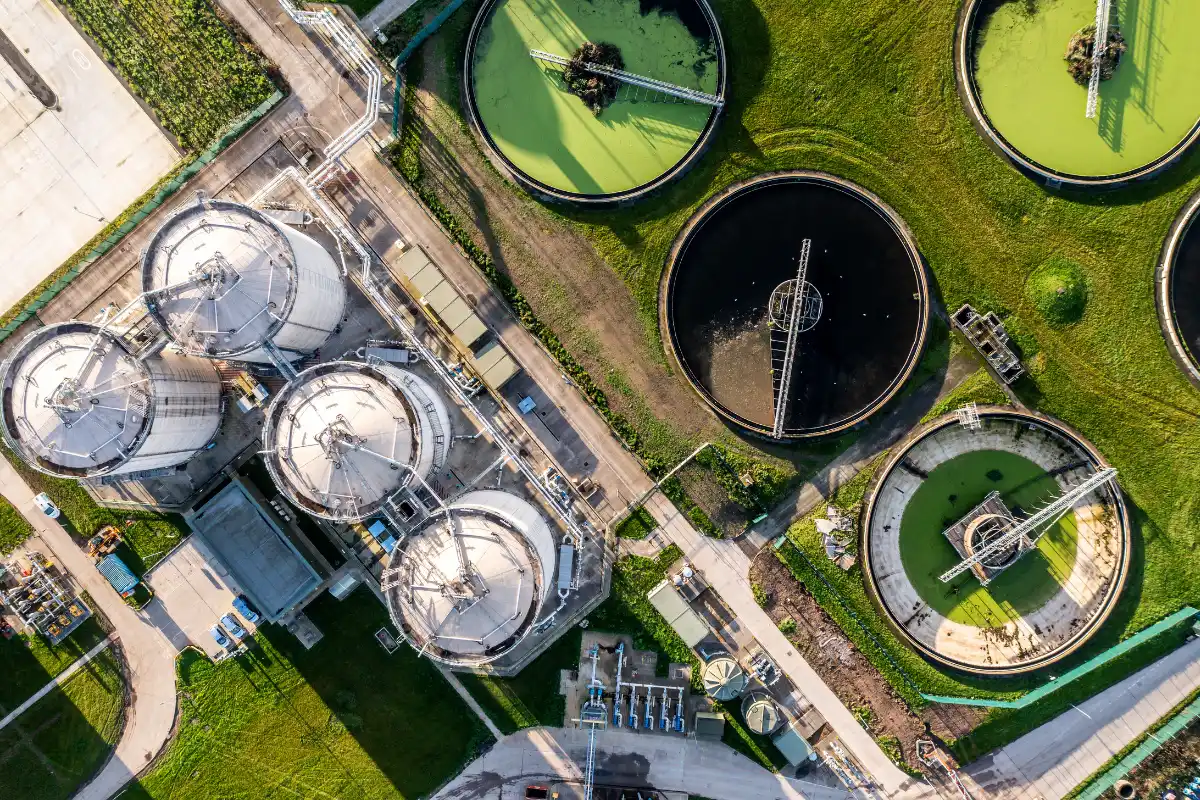
Around the world, some places are showing that local climate, seasonal conditions, waste heat, and circular systems can be used more creatively.
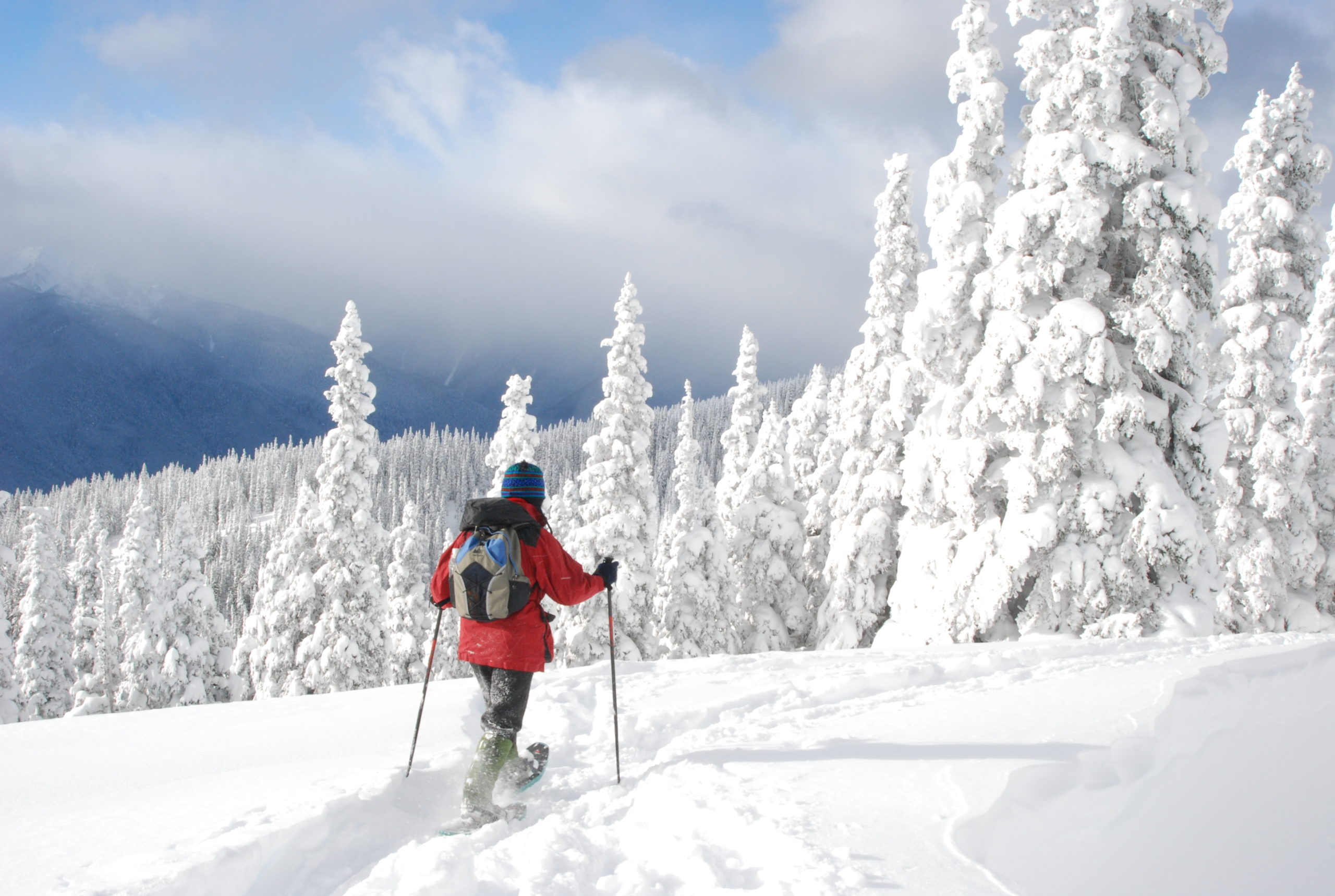
Bibai, located in Hokkaido, Japan, is a region with heavy snowfall that removes roughly 200,000 tons of snow each year. In this region, the White Data Center asked itself the following question: what if that snow could become a resource?
Instead of treating that snow as a waste product to be cleared and removed, it is stored in insulated mounds from which the cold energy from snowmelt is used to cool its data centre operations.
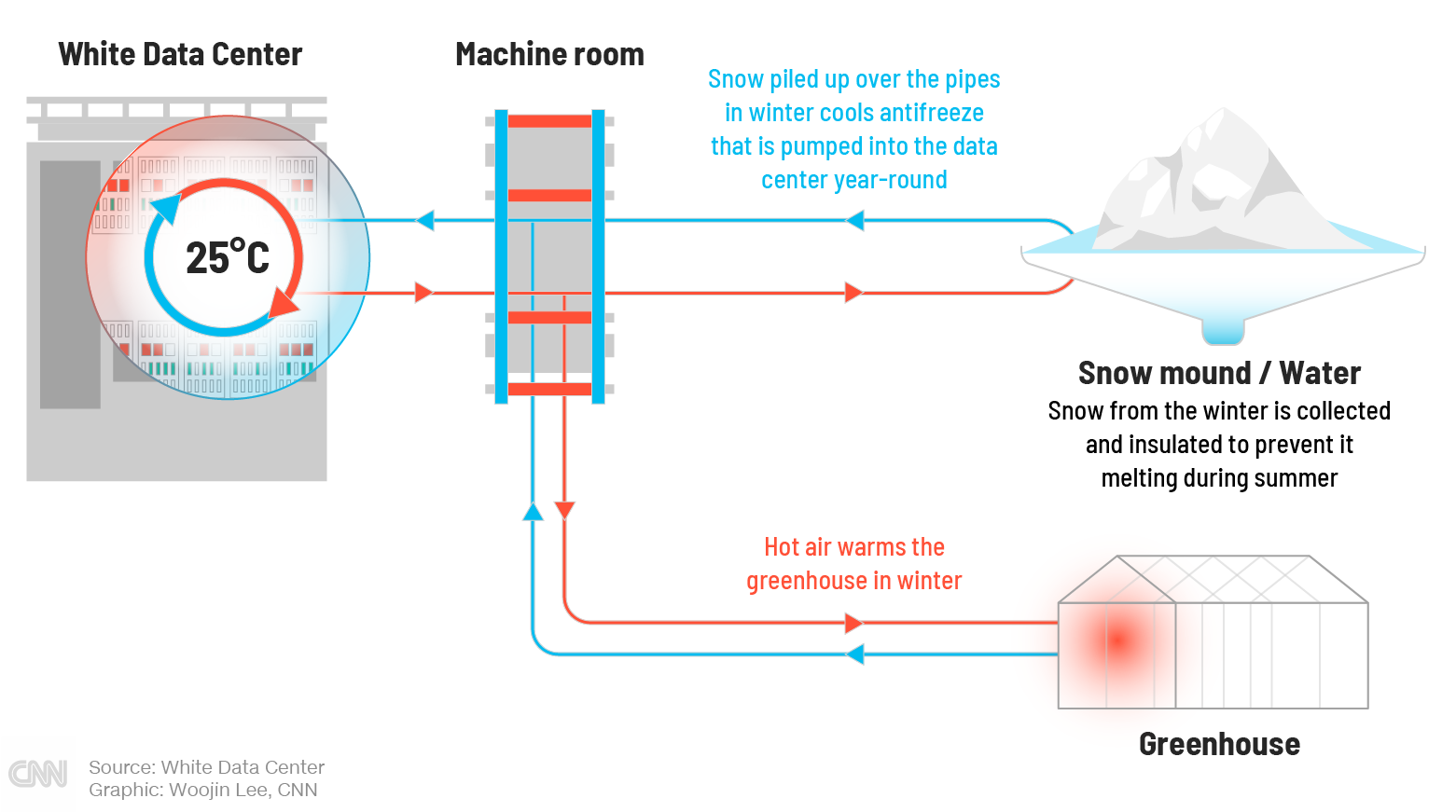
Stored snow can reduce the need for conventional air conditioning, while waste heat from servers can be redirected to support nearby agriculture and aquaculture. In one example, waste heat from the data centre has been used in an eel farming project.
This model has connected three things that are usually planned separately: snow management, data infrastructure, and local economic development.
The Opportunity for Canada
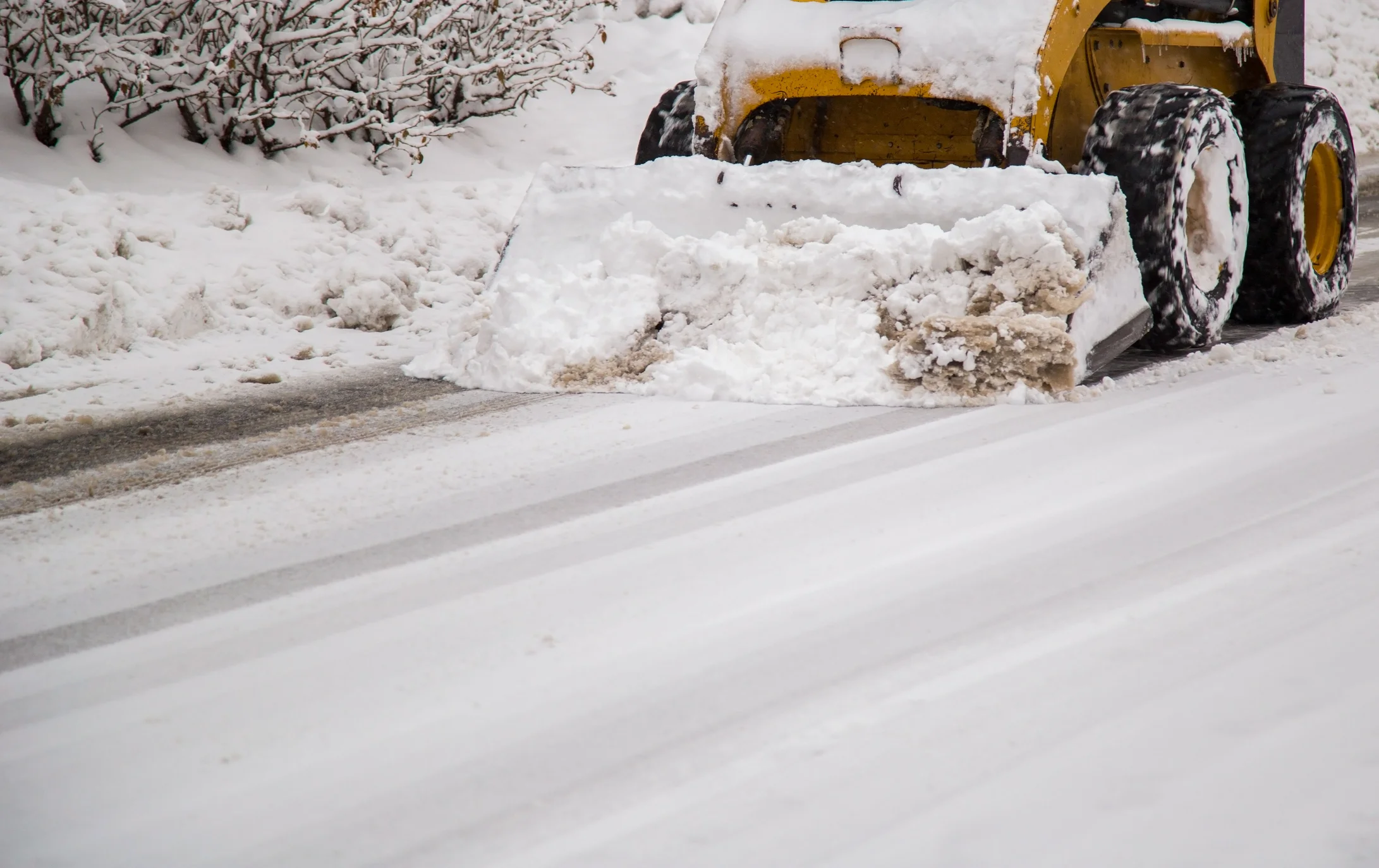
Canada already treats winter as an infrastructure challenge. Every year, cities spend heavily to clear, transport, and manage snow. Montreal budgeted nearly $200 million for snow removal in 2023-2024. Snow is usually treated as a logistical problem when it could be much more.
In some regions, Canada is already moving, storing, and managing a cold resource at significant public cost, while digital infrastructure is creating growing demand for cooling. That overlap deserves more attention: digital infrastructure can be designed around local environmental realities.
Canada has several advantages that could help it build more responsible digital infrastructure: a cold climate in many regions, but also a strong innovation capacity, a growing water technology expertise, and a significant interest in AI.
A more responsible approach would ask:
- Can the facility avoid using drinking-quality water where non-potable water would be sufficient?
- Can water be reused, recirculated, or treated on site?
- Can stormwater, snow, or seasonal cold be used where climate and design allow?
- Can waste heat support nearby buildings, greenhouses, or industrial processes?
- Can utilities verify water use through better metering and reporting?
These questions are important because water impacts are local.
Funding the Systems Behind Responsible Innovation
The link between water and AI sits across several funding areas: climate adaptation, infrastructure, innovation, community resilience, economic development, health, and equity.
Many data centres draw from municipal water systems, including drinking-quality water. It raises the question: who gets priority?
This competition is not felt equally. Communities already facing water stress, including many rural, remote, and Indigenous communities, often have fewer resources to absorb new infrastructure pressure. The goal lies in ensuring responsible growth and equitable access to water.
Targeted philanthropic investment can help:
- De-risk innovation and fund scalable solutions: AI-enabled water management, leak detection, low-water cooling, drought forecasting
- Bridge sectors: connect tech companies, municipalities, utilities, and Indigenous leaders
- Catalyze capital: align public, private, and philanthropic investment in smart water systems
- Convene action: align AI strategy with water strategy at national and regional levels
- Guide policy development: advance clear standards and transparent reporting requirements for water use in data centres
The objective is not to reject AI or slow innovation. It is about making sure innovation is designed with the systems it depends on. And AI can be part of that solution.
Canada can lead in artificial intelligence. It can also lead in responsible digital infrastructure. However, it will require treating water as a strategic condition for the digital economy.
References
- Agriculture and Agri-Food Canada. National Agroclimate Risk Report. September 2025. https://agriculture.canada.ca/en/agricultural-production/weather/national-agroclimate-risk-report
- Canadian Geographic. There’s a cost to using artificial intelligence: the water you drink. October 2025. https://canadiangeographic.ca/articles/theres-a-cost-to-your-chatgpt-query-the-water-you-drink/
- Canadian Press / CityNews. Montreal to spend nearly $200M on snow removal as winter costs rise across Canada. November 2023. https://toronto.citynews.ca/2023/11/27/montreal-to-spend-nearly-200m-on-snow-removal-as-winter-costs-rise-across-canada/
- Canadian Climate Institute. Is there a smart way to integrate artificial intelligence data centres into Canada’s electricity grids? March 2025. https://climateinstitute.ca/smart-way-integrate-artificial-intelligence-data-centres-canada-electricity-grids/
- CNN. A Japanese city is using snow to cool its data center. September 2022. https://edition.cnn.com/2022/09/06/tech/japan-white-data-center-snow-cooled-servers-climate-scn-spc-intl
- International Energy Agency. Energy and AI. https://www.iea.org/reports/energy-and-ai/energy-demand-from-ai
- Kyodo News Digital. White Data Center / Bibai snow-cooling project coverage. April 2021. https://corp.kyodo-d.jp/information/2021/0423/4211/
- Mordor Intelligence. Canada Data Center Water Consumption Market Size & Share Analysis – Growth Trends and Forecast (2026–2031). https://www.mordorintelligence.com/industry-reports/canada-data-center-water-consumption-market
- The Narwhal. The AI data centre boom is here. What will it mean for land, water and power in Canada? October 2025. https://thenarwhal.ca/ai-data-centres-canada/