From the Illusion of Abundance to Water Security: Why Water is Now a Strategic Issue for Canada and the World
By FDGB,

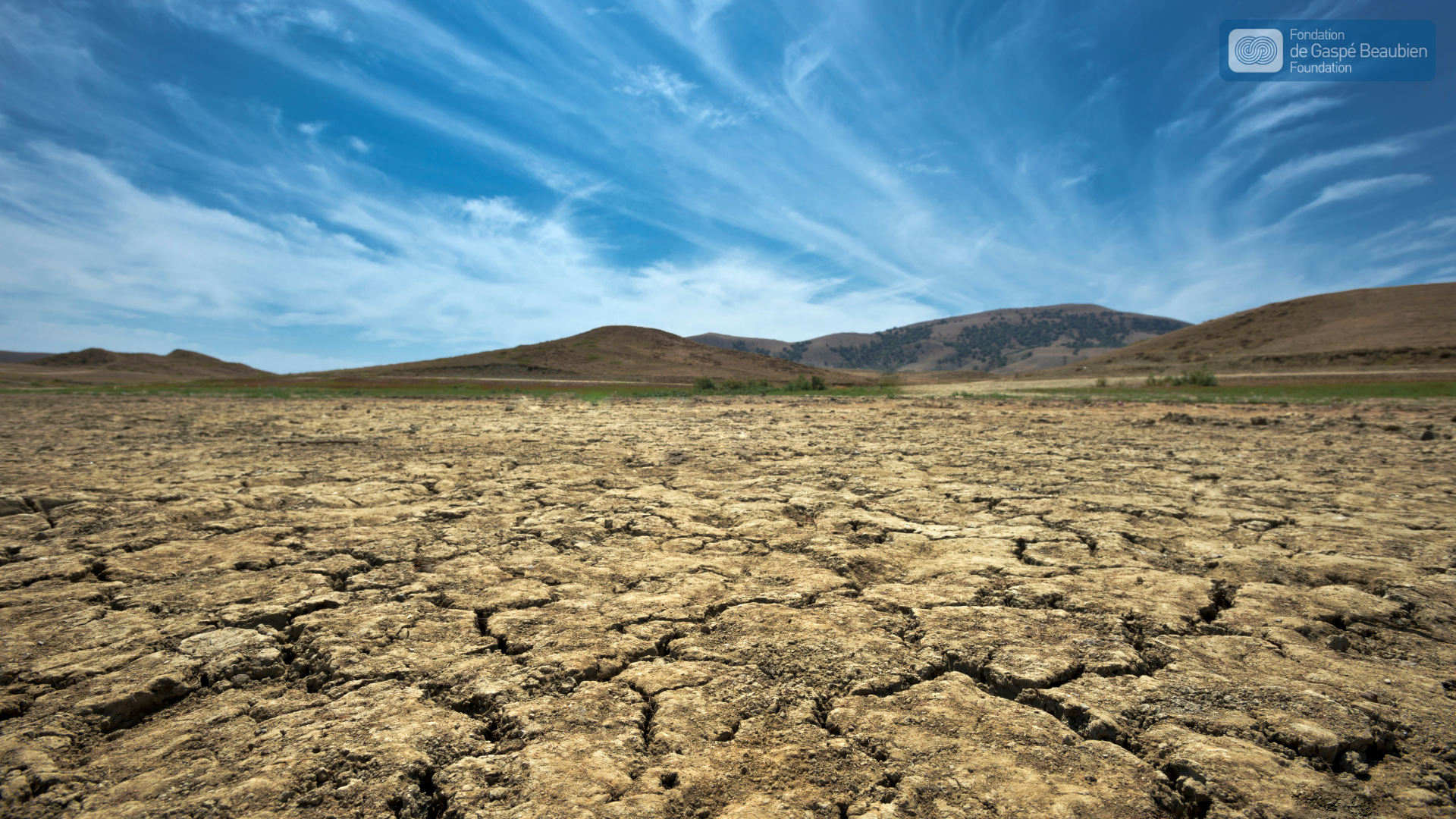
It is often repeated that Canada holds “nearly 20% of the world’s freshwater.” But much of this water is non-renewable, difficult to access, or unfit for use, and the majority of annual flows run north, far from populated areas. The result: abundance is an illusion that can undermine our economy, our security, and our international position if we do not change our stance: from perceived abundance to proactive protection. [canada.ca], [watergover…olt.ubc.ca]

1. The Illusion of Abundance: Understanding the “20%”… and Its Limits

Yes, a significant portion of the world’s freshwater stock is “locked up” in our lakes, but this figure does not reflect the water usable each year (the renewable flows), which is significantly lower (≈ 6.5% of the global total), and very unevenly distributed across time and space. Furthermore, about 60% of Canada’s renewable water flows toward the Arctic and Hudson Bay, far from the densely populated southern belt; this is one of the reasons why the myth of “infinite” water in Canada misleads our public and private decisions. [canada.ca], [watergover…olt.ubc.ca]

This reality is set within a concerning global context. According to the new flagship report from the United Nations University (UNU-INWEH), the planet is entering an era of “global water bankruptcy”: basins and aquifers are losing the capacity to return to a “normal state” after shocks, as water is being withdrawn and polluted beyond the thresholds that natural systems can replenish at reasonable costs. [unu.edu], [news.un.org]

2. From “Crisis” to “Bankruptcy”: What the UN Diagnosis Changes

The nuance is essential: speaking of “water bankruptcy” means that, in many places, it is no longer about temporary scarcity episodes, but about structural deficits, sometimes irreversible (compacted aquifers, degraded soils and wetlands, declining lakes). Half of the world’s major lakes have lost water since the 1990s, and about 70% of major aquifers show a long-term decline, trends that have cascading impacts on food, employment, migration, and geopolitical stability. [cbsnews.com], [phys.org]

In light of this observation, UNU-INWEH calls for a reset: moving from reactive crisis management to “bankruptcy management”, transparent water accounting, enforceable caps, protection of natural capital (wetlands, soils, aquifers), and equitable transitions that protect vulnerable communities. [unu.edu]

3. Water and Geopolitics: When Scarcity Exacerbates Tensions and Violence

Water security has become an economic and security issue. Data from the Pacific Institute show a marked rise in water-related violence (water as cause, target, or weapon): 420 events in 2024, an increase of +20% compared to 2023 and +78% compared to 2022, with numerous attacks against water infrastructure. This signal confirms that water is being instrumentalized in contemporary conflicts, with major humanitarian and political effects. [pacinst.org], [waterdiplomat.org]

Globally, indicators from the Sustainable Development Goals (SDG 6) show a stagnation of global water stress around 18–19%, but this average masks regional hotspots (North Africa, West Asia, Central Asia) and increasing risks when agriculture (≈ 72% of withdrawals) encounters more intense droughts and declining water tables. [unwater.org], [fao.org]

4. Why Canada is Directly Concerned

For Canada, “water bankruptcy” is not a distant concept. On the one hand, our renewable resources (≈ 6.5% of the global total) are under pressure: urban growth, industrialization, agriculture, pollution, and increased climate variability. On the other hand, our geography means that “useful” water is not where the population lives, and regional availability varies greatly. Confusing stock and flow weakens water planning and investment. [canada.ca], [watergover…olt.ubc.ca]

Furthermore, we are interdependent on transboundary systems (e.g., Great Lakes) and agricultural markets that amplify water shocks globally. When exporting regions see water scarcity increase, prices, supply chains, and stability are affected, even far from stressed basins. [unu.edu]

5. Changing Our Stance: From Abundance to Strategic Protection

Moving from a stance of perceived abundance to one of strategic protection involves concrete choices:

  1. Count Water as a Critical Asset
    Implement credible water accounting (balance of inflows/outflows, aquifer levels, environmental needs) to set usage thresholds aligned with the reality of the basins—including where the historical baseline has become unattainable. [unu.edu]
  2. Protect the Natural Capital that “Makes” Water
    Restore wetlands, agricultural wetlands, soils, glaciers, and riparian corridors that buffer floods/droughts and recharge water tables. These ecosystems are our water “savings account”; their degradation locks in irreversible losses. [news.un.org], [phys.org]
  3. Deploy Innovation at Scale
    Accelerate efficiency (agriculture, industry, buildings), reuse, and digitization (leak detection, sensors, digital twins), to decouple growth from withdrawals and absorb climate variability. UN SDG analyses confirm that gaining efficiency is central to reducing stress. [fao.org], [sdg6data.org]
  4. Secure Water Infrastructure
    Protect drinking water networks, treatment plants, dams, and control systems against physical and cyber-attacks—a vulnerability on the rise according to the Pacific Institute. [pacinst.org]
  5. Governance and Equity
    Usage caps and reallocations require transparency, mediation, and equity measures (support for farmers, Indigenous communities, vulnerable households) to prevent adjustment from widening inequalities. [unu.edu], [news.un.org]

6. A Role to Play: Canadian Leadership and Global Resilience

Canada has unique assets: world-class freshwater ecosystems, scientific capacity (universities, research centers), growing water technology companies, and cooperation platforms (e.g., Great Lakes, transboundary basins). By mobilizing these strengths, we can strengthen our water security and contribute to global resilience through:

  • International deployment of Canadian innovations (monitoring, treatment, reuse, agricultural efficiency);
  • Creation of public-private-philanthropy coalitions to accelerate the adoption of these solutions here and elsewhere;
  • Water diplomacy, which makes shared management a platform for cooperation and crisis prevention—a point highlighted by UNU-INWEH. [unu.edu]

7. Why Talk About Geopolitics?

Because water structures power: food security, energy, industry, social cohesion, and state stability depend directly on it. When water systems cross thresholds of insolvency and irreversibility, tensions rise—conflicts over use, transboundary pressures, migration, violence targeting infrastructure. The recent surge in water-related violence documented by the Pacific Institute illustrates this direct link between water stress and instability. Prevention means protecting, governing, and investing in water before losses become irreparable. [pacinst.org], [news.un.org]

8. Call to Action

AquaAction and the Canadian water technology ecosystem demonstrate that it is possible to transform a systemic risk into an opportunity for innovation, jobs, and resilience—in Canada and internationally. In the short term, Canada must launch three priority initiatives:

  1. Scale up water efficiency (agriculture, industry, municipal) through targeted investment and adoption programs. 
  2. Strengthen security and governance of water infrastructure (physical and cyber), with joint standards and exercises.
  3. Fund the protection of natural capital (wetlands, aquifer recharge, nature-based solutions) as strategic infrastructure. 

Conclusion  

In a world where water is becoming a factor of systemic vulnerability, the priority is clear: protect, govern, and use this resource with rigor and foresight. By acting today, Canada can strengthen its national security, its economic position, and contribute to stability and water resilience globally.

Quick References

  • UNU-INWEH (UN): Global Water Bankruptcy — diagnosis and action framework (“bankruptcy” management, natural capital, equity). [unu.edu], [news.un.org]
  • Pacific Institute: rise in water-related violence (water as cause, target, or weapon) and infrastructure vulnerability. [pacinst.org]
  • Canada: distinction stock vs. flow (≈ 20% vs. ≈ 6.5%), accessibility, and regional gradients; questioning the myth of abundance. [canada.ca], [watergover…olt.ubc.ca]
  • SDG 6 / FAO / UN-Water: monitoring of water stress, role of efficiency and ecosystems in risk reduction. [unwater.org], [fao.org]
The 2018 Aqua Hacking winners are announced

By FDGB,

Press Release
For immediate release
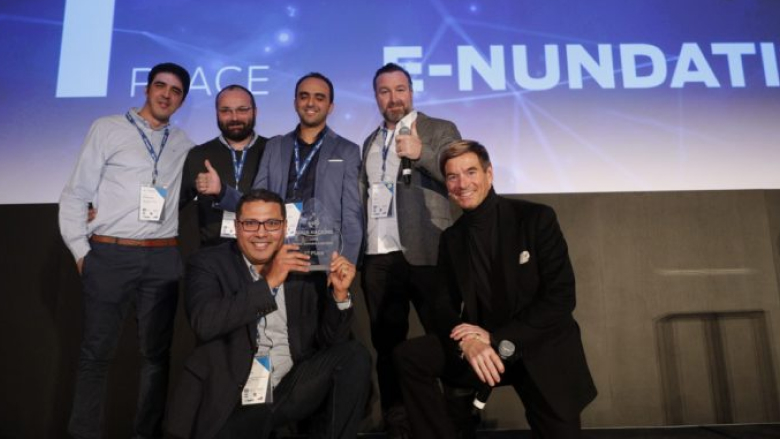
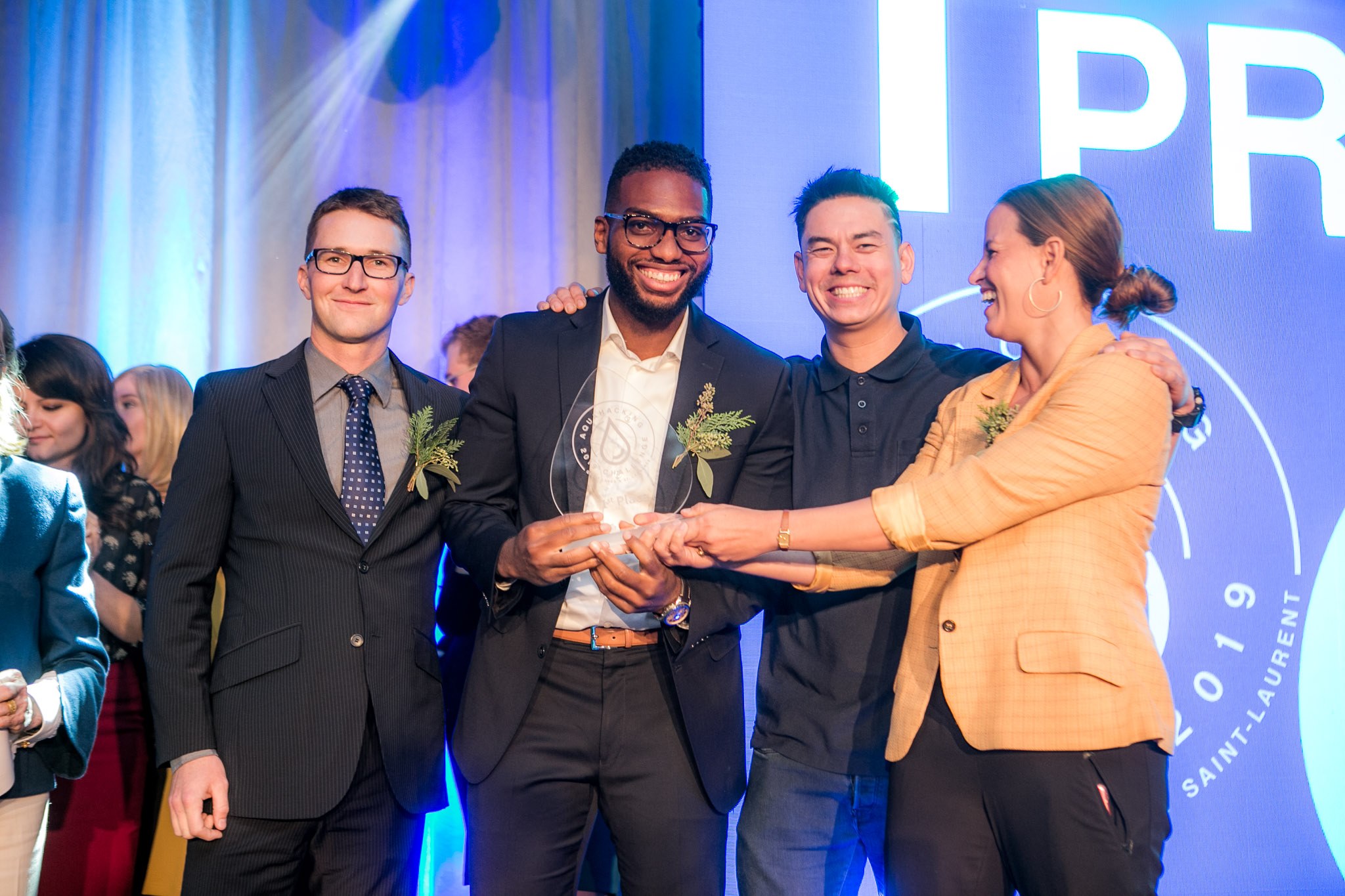
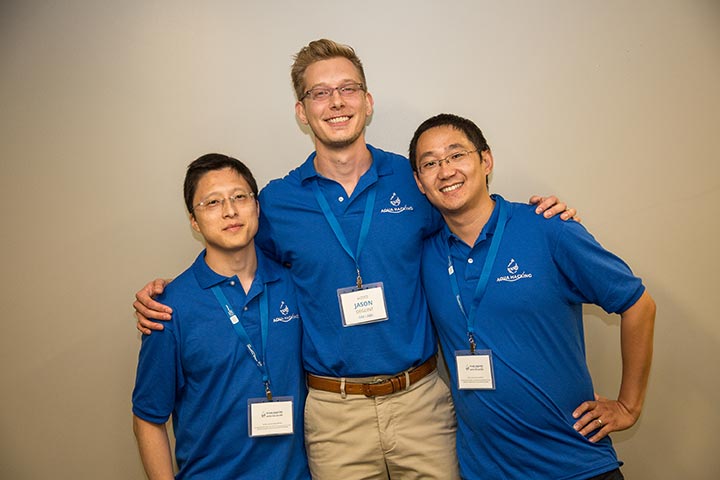
Toronto, ON, (Friday October 26, 2018) – On October 25, as part of Ontario’s Water Innovation Week in collaboration with WaterTAP, at the Design Exchange in Toronto, five teams of young innovators pitched their clean-tech solutions for the AquaHacking 2018 Lake Ontario Challenge for a chance at $50,000 in prizes and a spot at local incubators. Team E-Nundation claimed the first place, making a splash with their solution which produces maps of potential flooded areas and floodwater depth based on discharge forecasts from Environment Canada to better predict and adapt to flooding. AquaHacking, now in its fourth year, is a tech challenge designed to engage the next generation of water technology pioneers to tackle critical fresh water issues. With over 60 engineering and tech solutions developed and 15 solutions on the market or in development, AquaHacking has proven its capability to bring together key stakeholders and innovate for impact.
“It’s been an incredible journey for us, with opportunities to learn from, grow and connect with experts from tech, environment, business, academia and government,” said Karem Chokmani, Ph.D. of team E-Nundation. “We are thrilled by the positive response from the Jury and excited to continue working on our multi-platform application designed to tackle the challenge of flooding prediction and adaptation. We intend to build on our success here and do our part to drive positive environmental change for Lake Ontario, the City of Toronto and our country’s most vital resource; water.”
Since the Challenge’s launch in March, the five finalist teams have been working with mentors from water, engineering and technology sectors to develop functional and marketable clean-tech solutions for Lake Ontario. All of these solutions tackle real life challenges submitted by experts from Canada’s water sector.
“What makes AquaHacking special to me is the fact that the issues these young innovators are solving are championed by leaders from across the water sector, including eNGOs, municipalities and water organizations and are designed for impact,” said Bernadette Conant, AquaHacking 2018 Jury Member and Chief Executive Officer of Canadian Water Network. “But what really blew me away during the Finals was the impressive passion and talent of what are certainly the leaders of Canada’s next generation of water technology leaders.”

Finalist teams who presented at the AquaHacking Finals include:
Second Place: WaterPuris
There’s already sophisticated technology to break down endocrine-disrupting chemicals. But in the home? Not necessarily. WaterPuris hacks your toilet bowl to degrade EDCs using a combo of hydrogen peroxide and UV light.
Won $15,000; incubated at Velocity

Third Place: M Power Software
M Power Software are bringing together the IoT and AI to predict and measure sewage overflow.
Won 10,000, incubated at IBM Innovation Space

Runner-Up: EGC Labs
Real-time data, real-time warnings, long term learning: EGC Labs can help governments identify patterns of sewage overflow and even the reasons behind them.
Incubated at CENTECH

Runner-Up: SWIM
SWIM’s solution presents robust and versatile decentralized sewage overflow detection with their drone-assisted infrared camera.
Incubated at InnovationXL

About the de Gaspé Beaubien Foundation and AquaHacking
Founded in 1990, the de Gaspé Beaubien Foundation is a family-run philanthropic organisation dedicated to water conservation and to supporting family businesses. The Foundation employs an approach known as entrepreneurial philanthropy in its aim to support individuals, families in business, and organisations in becoming responsible agents of positive and sustainable change within their communities.
The de Gaspé Beaubien Foundation spearheaded AquaHacking, which is now also supported by various partner organisations. AquaHacking is a fresh water tech challenge, engaging young innovators to develop clean-tech solutions for pressing fresh water issues.

Impressive Results

By FDGB,

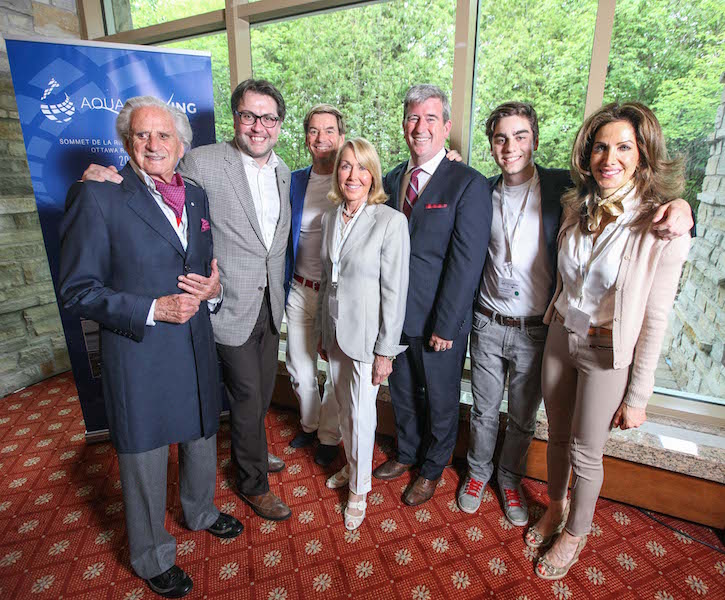
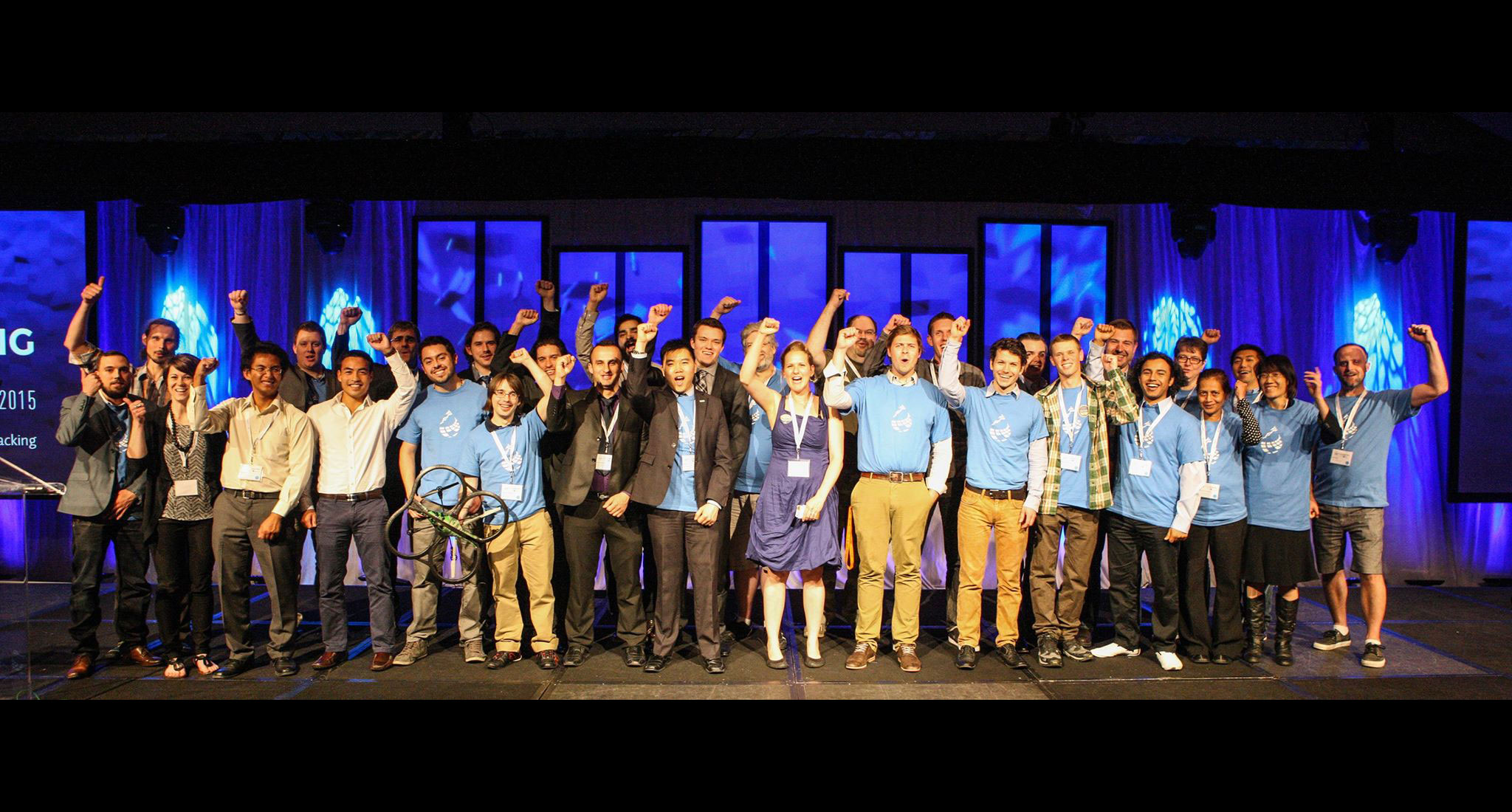
Last May, over 260 participants attended the AquaHacking 2015 – Ottawa River Summit. They were privileged to witness historic moments: the creation of a Joint Quebec-Ontario Committee on Water Management, the official signature of the Gatineau Declaration, and the announcement of the winners of the first AquaHacking coding competition. These are some of the tangible results of our project which was launched two years ago and that concluded on May 29th and 30th, 2015, at the Hilton Lac-Leamy, Gatineau.

What is AquaHacking?

Dedicated to the preservation of Canadian lakes and rivers, this initiative aims to converge water and technology by gathering both of these communities around this important cause. AquaHacking was initiated by the youngest generation of the de Gaspé Beaubien family. They believe that water, being essential to life, is an issue that concerns everyone. The first edition was dedicated to the Ottawa River, the natural boundary between Quebec and Ontario, and the main tributary of the St. Lawrence River. From the onset, the family identified technology as the best tool to reach as many people as possible and raise awareness about the importance of protecting the river. Inspired by hackathons, a coding competition was organised for the digital community, i.e.: hackers. The goal? Challenge hackers to develop technological solutions that could help solve some of the Ottawa River’s water issues. Over the course of several weeks, multidisciplinary teams worked on water issues that had been identified in advance by experts.

Partnerships

As with any project it supports financially, the de Gaspé Beaubien Foundation established partnerships in which it was actively involved. The Foundation decided to join forces with Ottawa Riverkeeper, a grassroots organization that brings together volunteers, communities, citizens, businesses and all levels of government to find solutions to the problems that threaten the health of the Ottawa River. The Foundation also counted on the technological expertise and assistance of IBM, ThinkData Works, Zoom Media and Stingray Digital. This allowed hackers to work with cutting edge tools throughout the process.

Tangible results

AquaHacking 2015 – Ottawa River Summit provided tangible results that will shape the river’s future, such as the creation of a Joint Quebec-Ontario Committee on Water Management, whose mandate will be to encourage cooperation and facilitate the exchange of information related to water management issues. The announcement was made by David Heurtel, Quebec Minister of the Environment, and Glen Murray, Ontario Minister of the Environment. The Summit also led to the tabling of the Gatineau Declaration, an official statement which commits its many signatories, including the mayors of several municipalities who depend on the river, to working together to ensure a healthy and sustainable future for the Ottawa River Watershed. Join the over 150 signatories as of July 24, 2015 and sign the Declaration online.

And the winners are…

One of the Summit’s highlights was the announcement of the coding competition’s winners, chosen by a jury of high profile entrepreneurs, IT executives and environmental experts: Alexandra Cousteau, Mitch Garber, Eric Boyko, Philippe de Gaspé Beaubien and Jean-François Barsoum. Among the ten competing applications, a grand prize of $13,000 was awarded to the two teams who tied for 1st place: River Ranger and My River – Ma Rivière. Team Contour won third prize and was also awarded the People’s Choice Award. Team Aqua Radar was chosen as the Future Star, a prize that highlights the innovative aspect of the developed solution. Learn all about the winning solutions.

The future

The de Gaspé Beaubien Foundation and its partners are delighted by the resounding success of the first edition of AquaHacking. Other AquaHacking events will be planned for the rest of Canada over the next few years. With each new project, the Foundation will visit a new region where it will mobilise and team up with local partners to create an AquaHacking specific for the region. Join the movement. Ultimately, you, the citizens, are the real winners of any initiative aiming to preserve of our water.

Launching the 3rd module of the BFF communications and crisis management course

By FDGB,

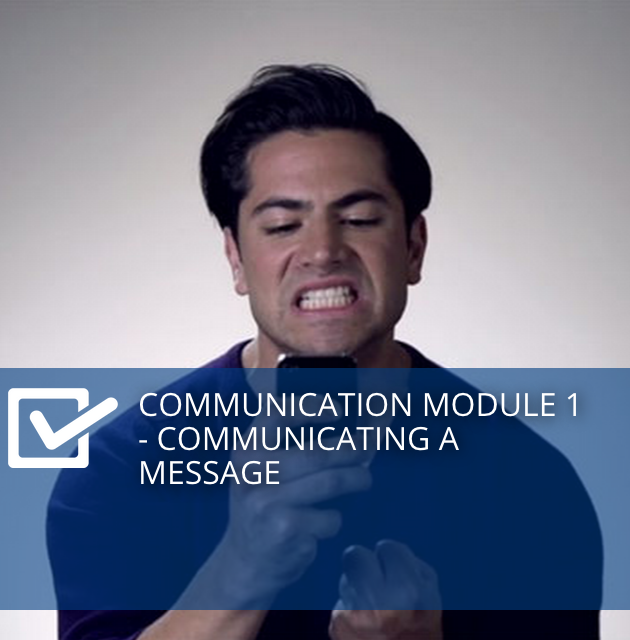
On April 1, 2015, The Business Families Foundation (BFF) launched the third module of its communications and crisis management training course. Geared toward families in business, the course aims to provide individual members with the necessary tools to keep their family business going strong for generations to come.
The modules are posted online so they can be accessed worldwide. Each module is 15 to 20 minutes long, and all you need is an Internet connection. The first module, posted on February 1, explored various ways of communicating. From body language to tone of voice, and choosing the right words, so many aspects can impact how the a message is transmitted. The speaker must be conscious of these and know how to use each one so that the intended message is ultimately received. The second module, launched on March 1, looked at how to communicate effectively within a family business environment where team members may have to juggle two roles (father/boss, daughter/colleague, etc.). By clearly delineating expectations, and engaging in active communication that stresses listening, you can strike—and maintain—an healthy balance between your personal and professional life.
While good communication may reduce conflicts, it cannot totally eliminate them. The 3rd module therefore addresses crisis management. What are the main sources of conflict that can lead to a crisis in a family business? How do you tackle and solve them? The better a family business gets at managing and solving conflicts, the more productive it becomes.
Whether you’re sitting in your favourite armchair at home, or at your desk at the office, you can take part in the courses offered by the BFF. You will have access to information clusters, interactive tools, video examples, and interviews with renowned experts. A better understanding of what communicating is all about will help you identify the best strategy to take your family business to the top.

Supporting Co-Management in Health Care Institutions (5/5)

By FDGB,

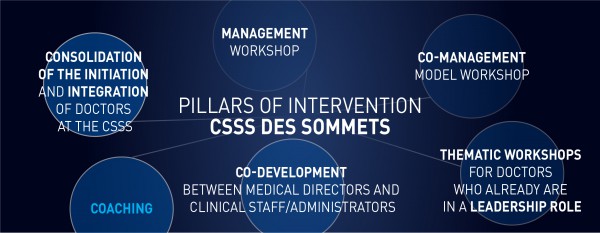
Alas, here were are with our final article on the “pillars of intervention”, put in place by the Foundation and the CSSS des Sommets to promote co-management at the core of the CSSS. In the previous articles, we addressed five concrete measures that can contribute to better management within the CSSS:
Pillar 1 – Initiation and integration of doctors
Pillar 2 – Workshops on management principles
Pillar 3 – Co-management in administrative functions
Pillar 4 – Co-development between medical directors and clinical staff/administrators
Pillar 5 – Incentive workshops to promote the co-management model
The following article will examine the last two pillars: thematic workshops for doctors in a managerial role as well as coaching.

Thematic Workshops: supporting doctors in their managerial role

The thematic workshop is an interactive and dynamic conference. In this case, it aims to provide additional tools to doctors who must also act as managers, so they can successfully attain their co-management objectives.
In these thematic workshops, we review the perceptions and beliefs related to credibility and influence by addressing the following topics:
• The characteristics of a credible person;
• The fundamental and secondary factors that influence their level of credibility;
• The necessary conditions for developing personal and collective credibility.
The thematic workshops are a part of the general support strategy for co-management at the core of the CSSS des Sommets. They are geared towards doctors who are already in a co-management role, and they pursue a simple objective: to raise awareness about the importance of the co-manager’s influence and credibility.
These workshops are essential for the success and effectiveness of the doctor-manager dyad.

Coaching

Coaching is a catalyst for development. It is a collaborative and reflective process that focuses on action; in other words, it allows for reflection of concrete examples and, it is followed by a change or adjustment in management interventions as a result of this evolving process. The progress can be seen for both individuals and pairs.
The CSSS des Sommets called upon the services of a professional coach to guide a number of co-management and clinical-administrator teams. The purpose of this coaching was to support the process of implementing the co-management model, at the director and clinical service level.

Our Coaching Method

An initial communal meeting allowed the pairs to discuss the issues, the importance of self-assessment, the three conditions for success (sharing the project, the operating mode for the pair and collaboration within the relationship), targets for development, and other modalities of co-management.
This is usually followed by a discussion between the coach and the pair during which they explore different means needed to support the development of the pair:
• A review of the co-managers responsibilities;
• Exchanges on the possible avenues for improvement and their applications;
• Reflections on how to understand or react in certain situations (ex: managing change and the management matrix);
• Feedback on attitudes, gestures, reflections and modes of communication or decision-making;
• Discussions and advice related to problems they are experiencing.

Conclusion

Although it is somewhat early to fully appreciate the results of the five measures of intervention, we have already noticed some notable changes in co-management relationships. The co-managers confirmed that a better communication was established in the dyads, and that both members now have a better understanding of each other’s reality.

$5000 To Win For a Project Aiming At The Preservation of the Ottawa River

By FDGB,

The organizations and/or individuals that work day-to-day to protect the Ottawa River have until June 27 to submit a project linked to the conservation of the river for a chance to win a $5,000 bursary.
As part of the River Mission project, the de Gaspé Foundation is launching a new initiative, entitled “Vote for the Ottawa River”, that aims to improve the health of the river, to mobilize supporters and to raise awareness among citizens and decision-makers on the issues facing the water source.
With River Mission, we realized that citizens engagement is crucial if we want to make a real difference. This is why we invite everyone that cares about the preservation of the Ottawa River to submit their project, big or small, to help improve the condition of this important waterway,” says Ms Monchamp. “We know that there are currently many organizations and groups that are already mobilized and working towards the preservation of the river. This is an issue that affects all of us, whether or not we live on the shores of the river, we are proud to support and to encourage the existing initiatives as well as those that could emerge and contribute to better protect the Ottawa River.”
 

Vote for the Ottawa River

Projects for the preservation of the Ottawa River must be submitted to http://bit.ly/voteottawariver between May 20 and June 27 2014. A jury will evaluate the candidates and choose five (5) finalists that will move on to the next stage of the contest. From July 9 to August 8, the general public will be able to vote for the project of their choice through the River Mission Facebook page. The project that receives the most votes will received the $5,000 bursary. The name of the winner will be announced on August 29.
The $5000 bursary can serve a project that is focusing on a specific location along the Ottawa River or, could be related to something more global aimed at addressing a general issue that affects the River. The bursary can also be added to projects that involve other financial partners.
The project can address one or many of the following themes:

  • Raising awareness about the issues of the Ottawa River
  • Mobilization of youth for the protection of the Ottawa River
  • Safeguarding of the wetlands surrounding the Ottawa River
  • Preservation of the flora and fauna of the Ottawa River
  • Improving the water quality of the Ottawa River

Important dates

Period for project submission: From May 20 to June 27
Selection of 5 finalists: From June 28 to July 8
Presentation of the finalists/Voting period begins: From July 9 to August 8
Winner will be announced : Friday, August 29

To participate: http://bit.ly/voteottawariver


About River Mission

The River Mission project aims to better protect the Ottawa River. The de Gaspé Beaubien Foundation, in partnership with Ottawa Riverkeeper and Blue Legacy International, are attempting to mobilize politicians, influential leaders, local communities and the Quebec population as a whole to help protect the Ottawa River, one of the most important waterways in Canada. This mission will culminate with a summit with a unique format: AquaHacking 2015.